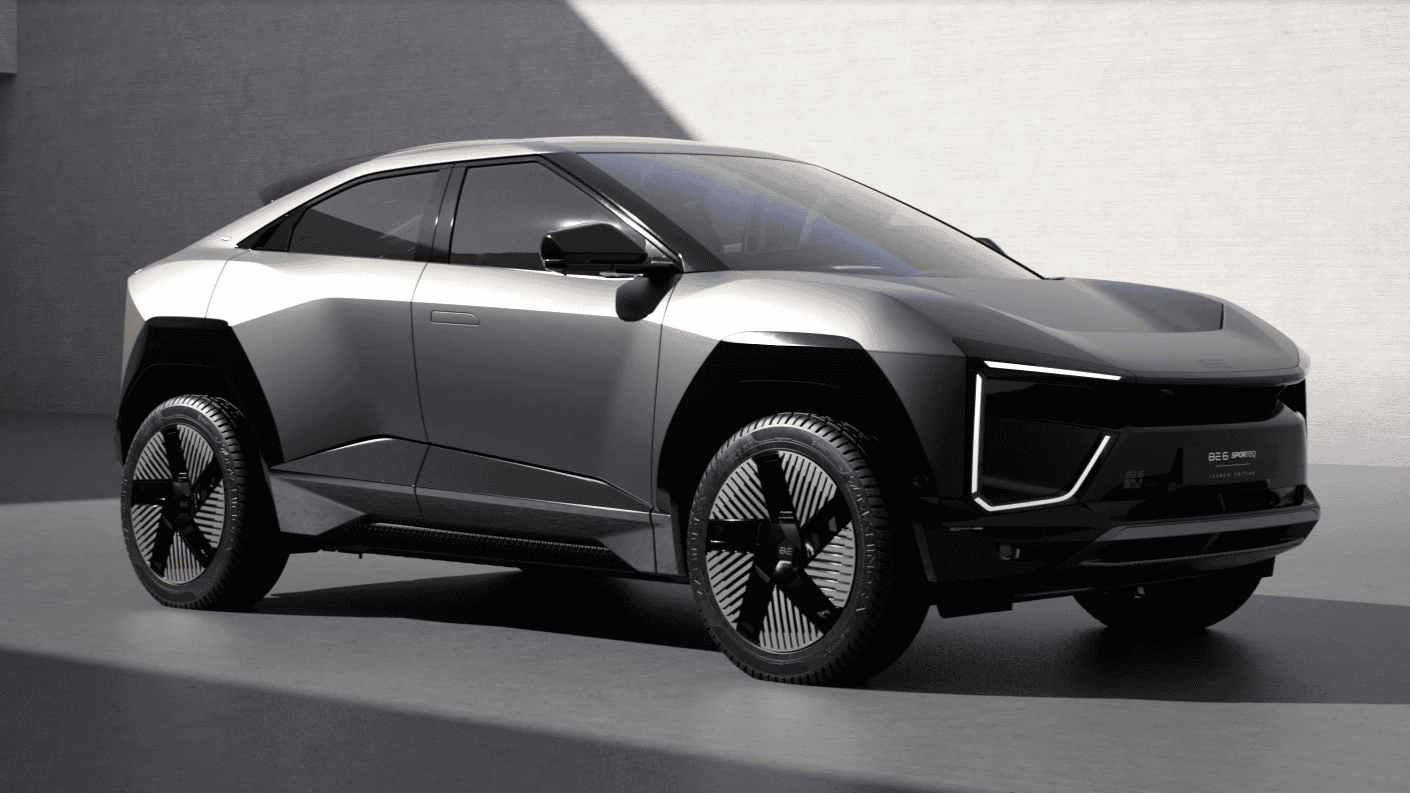

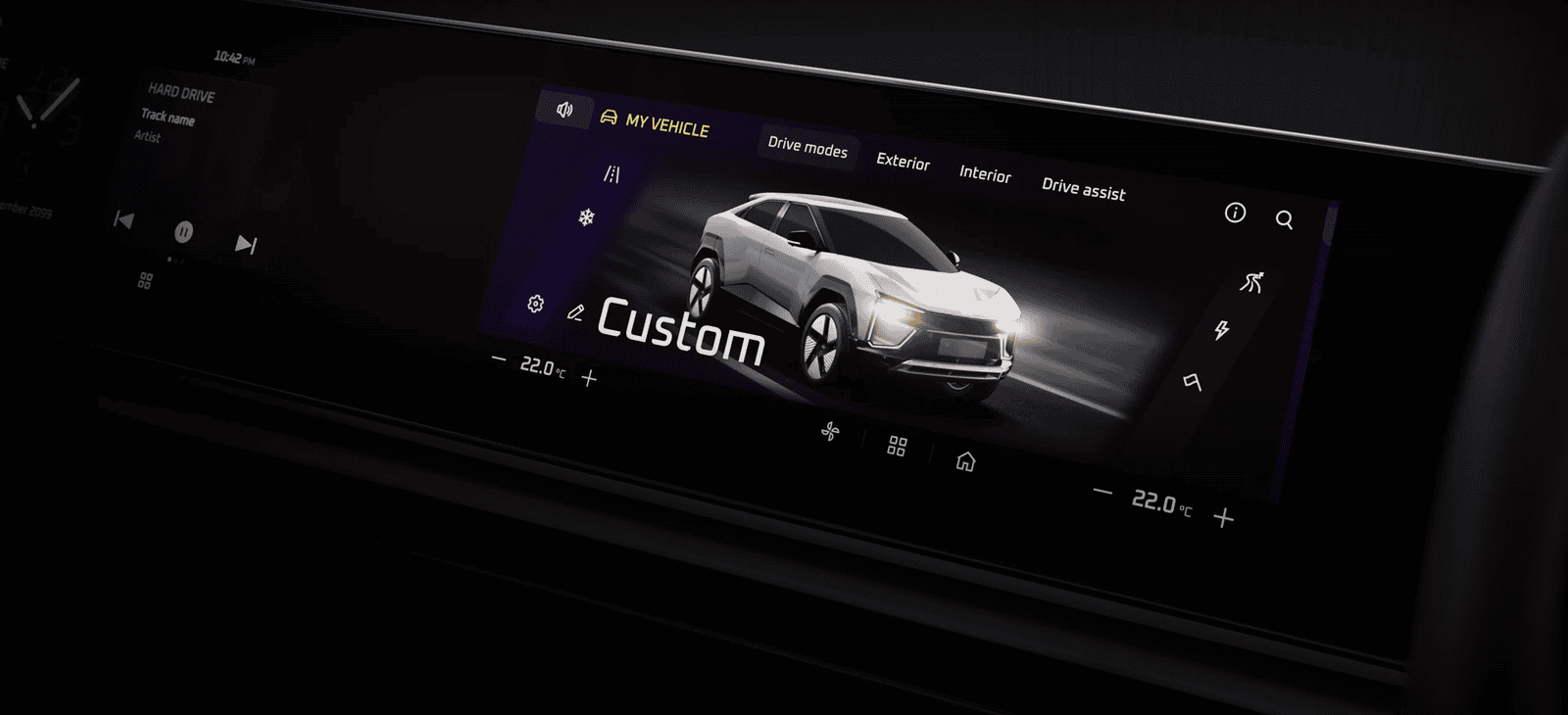
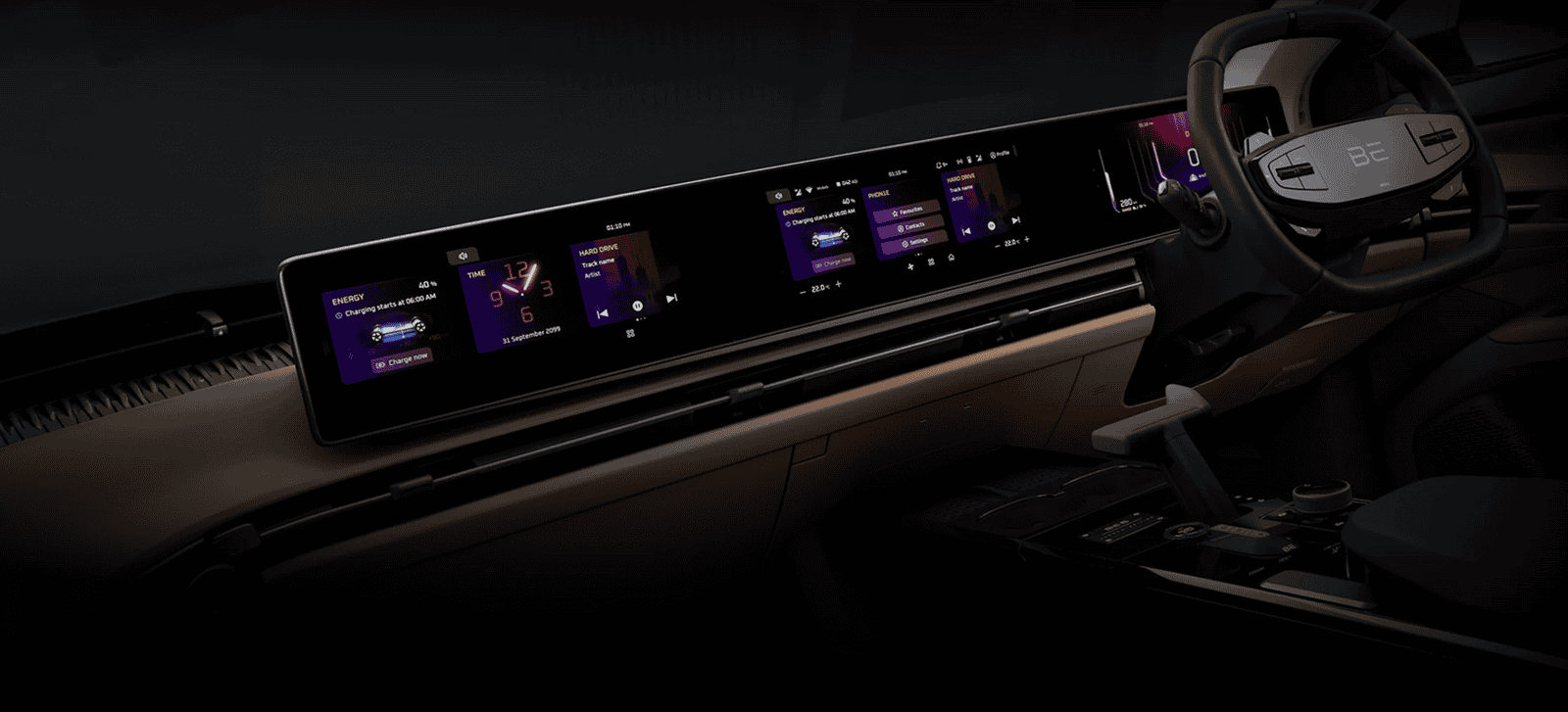
Mahindra has given its electric SUV portfolio another jolt with the introduction of the BE 6 SPORTEQ, an updated version that blends new visual treatments with additional technology, battery choices and a more sophisticated connected-car experience. While the SUV retains the core architecture that made the BE 6 distinctive, the latest iteration attempts to make the package considerably more compelling.
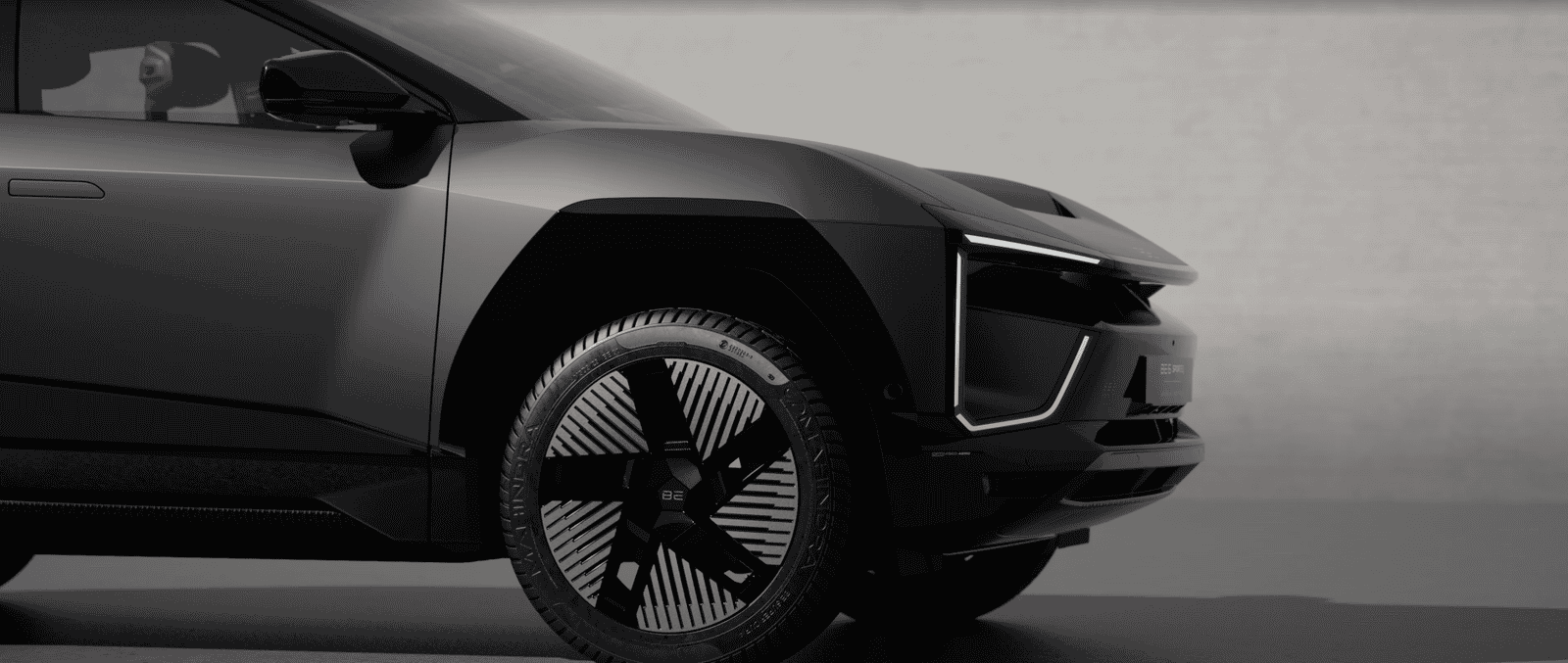
The update arrives at an interesting moment for India’s electric SUV market. Buyers now have an expanding menu of options, from the Tata Sierra EV and Hyundai Creta Electric to the Maruti Suzuki e Vitara, MG Windsor EV and VinFast VF6. That makes the BE 6 SPORTEQ’s positioning particularly important.
So, what exactly has Mahindra changed, what do buyers get, and should you choose it over its growing list of rivals?
Mahindra BE 6 SPORTEQ: What Has Changed?
The BE 6 SPORTEQ is not a ground-up replacement for the existing electric SUV. Instead, Mahindra has concentrated on enriching the formula with new editions, colours and technology while retaining its established mechanical foundation.
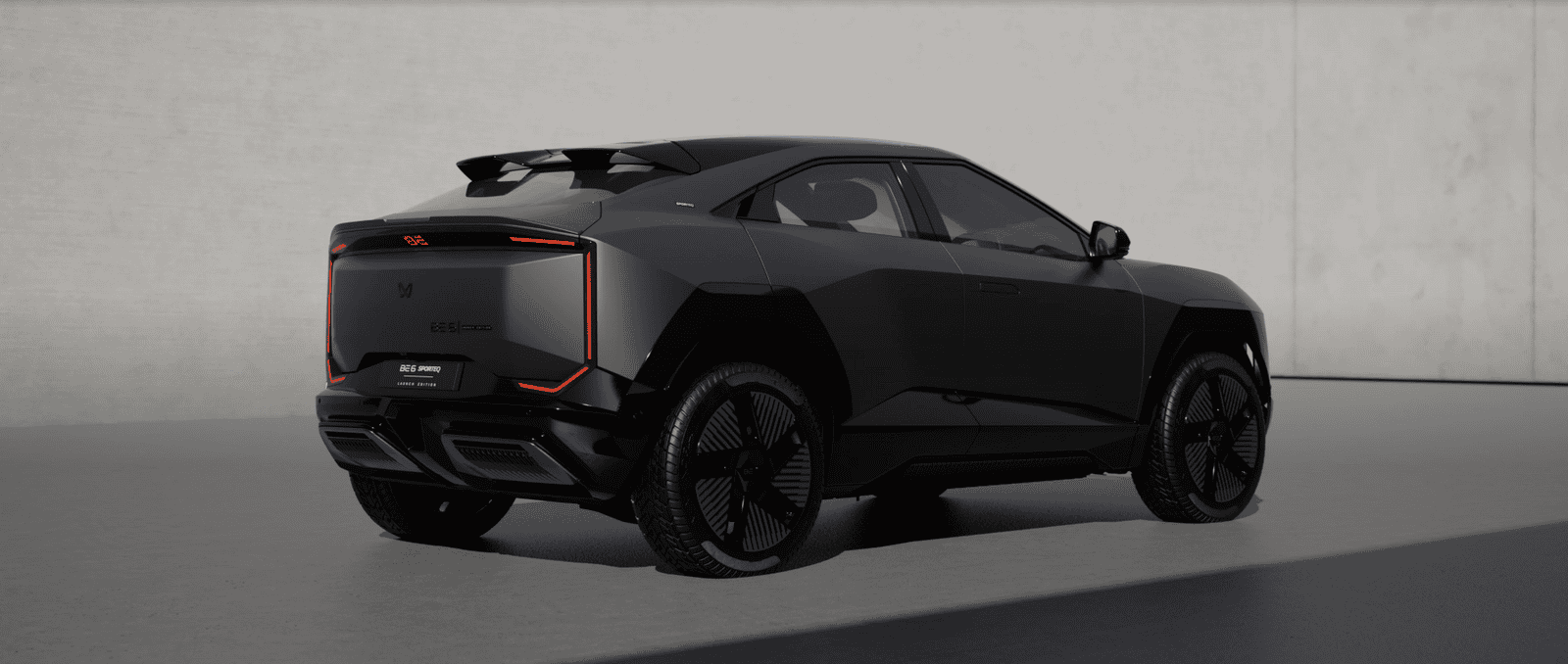
Prices start at Rs 11.45 lakh under the BaaS ownership model, while the outright purchase price begins at Rs 19.45 lakh, both ex-showroom.
The BaaS approach separates the battery cost from the upfront vehicle price, allowing Mahindra to advertise a substantially lower entry price. For buyers who are more comfortable with an ownership structure based on an initial vehicle payment plus battery-related charges, this could make the SUV easier to consider.
The BE 6 SPORTEQ range is also available in several trims, including One, Two, Three, Three FE, Four, Four Launch Edition and Four FE.
That gives buyers a fairly broad spread of configurations rather than forcing everyone into a single high-spec model.
Three Battery Options Continue
Despite the arrival of the SPORTEQ treatment, Mahindra has retained the BE 6’s existing battery choices.
The electric SUV can be configured with 59kWh, 70kWh and 79kWh battery packs, depending on the selected variant.
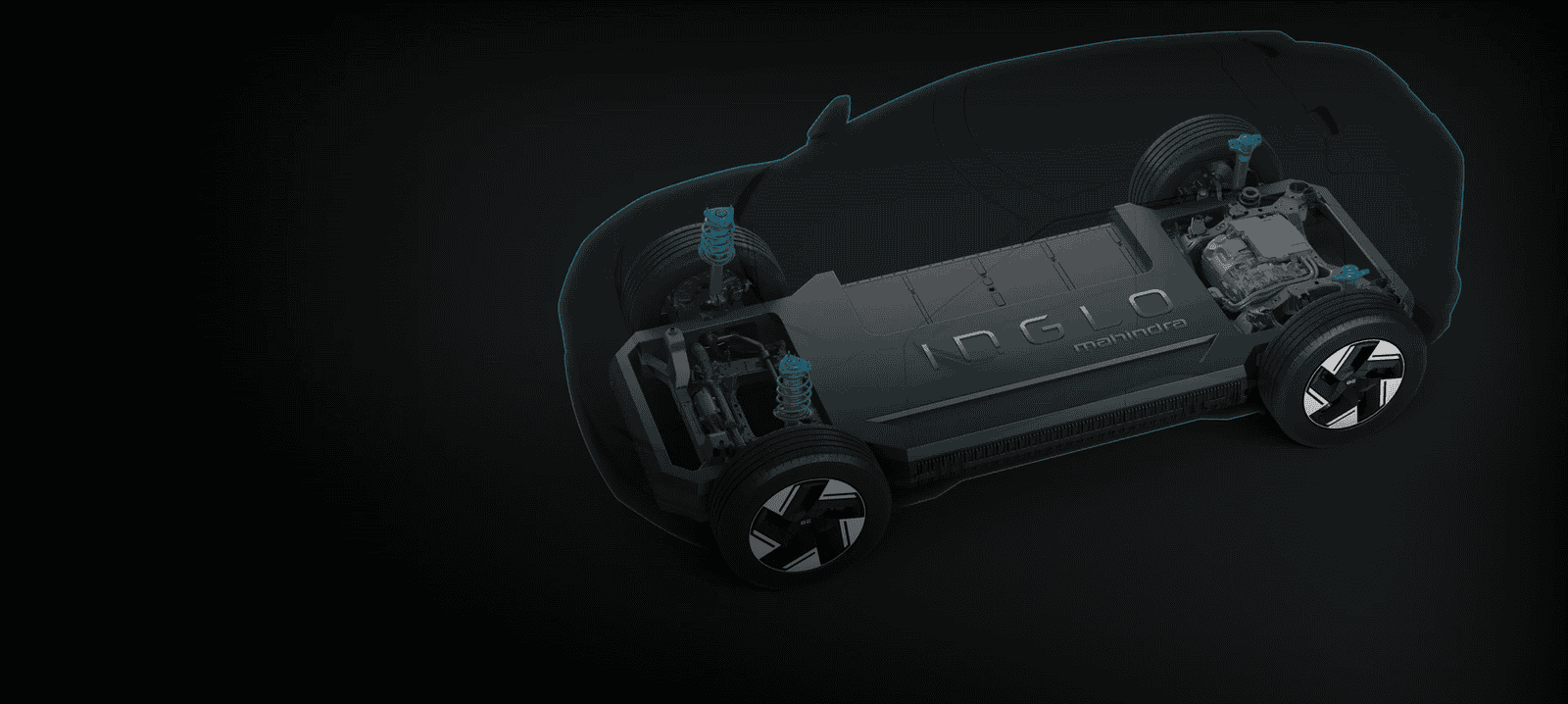
This three-tier approach is useful because EV buyers rarely have identical requirements. Someone primarily driving around town may not need the largest battery, while customers regularly covering longer distances are likely to place greater importance on maximum range and charging flexibility.
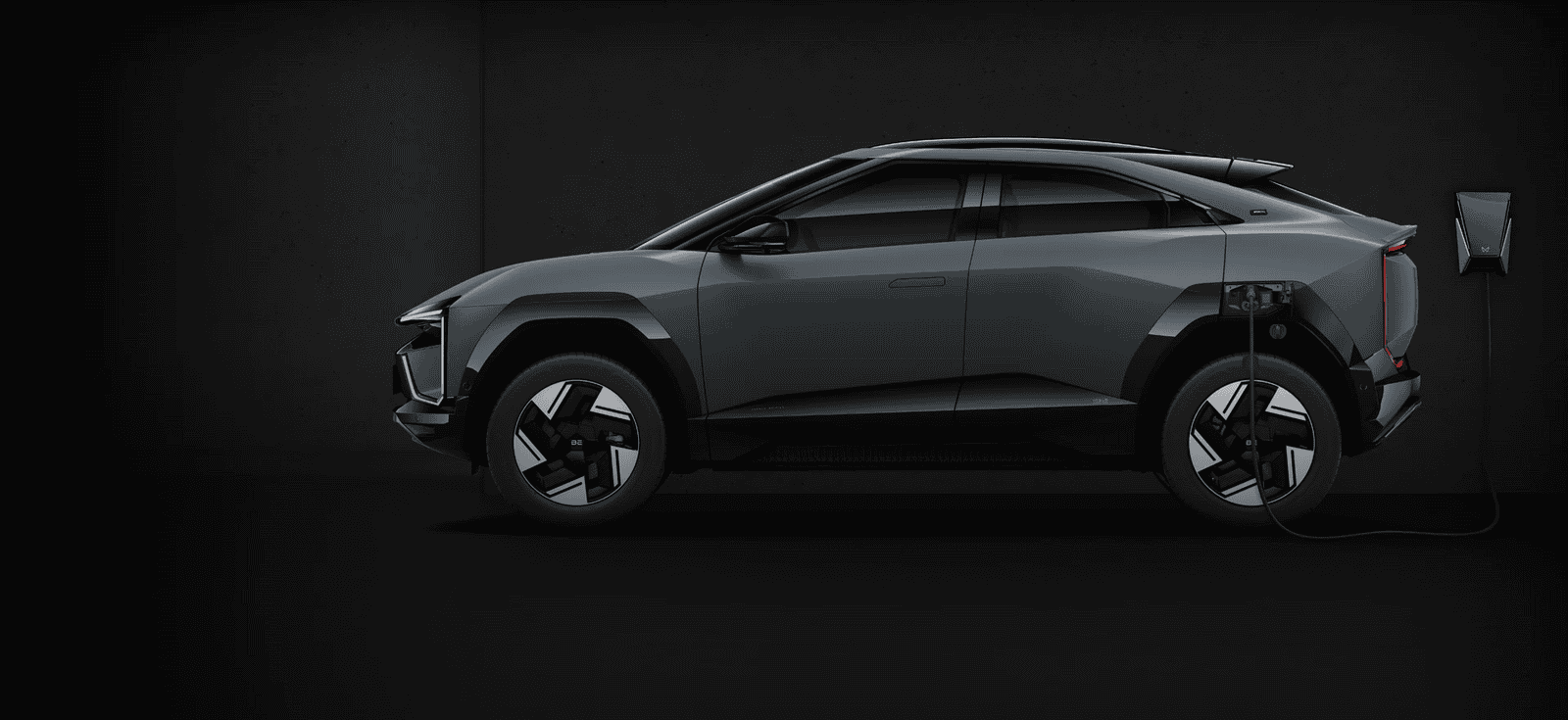
The larger battery options therefore make the BE 6 SPORTEQ particularly relevant to buyers who want an electric SUV capable of handling more than just a daily urban commute.
Mahindra BE 6 SPORTEQ Colours: Plenty of Choice
Mahindra has also expanded the visual appeal of the electric SUV with a wide selection of exterior finishes.
The standard BE 6 SPORTEQ can be specified in Ruby Velvet, Firestorm Orange, Stealth Black, Tango Red, Deep Forest, Desert Myst and Everest White.
The colour palette ranges from relatively restrained choices to shades that amplify the SUV’s already dramatic road presence. Firestorm Orange and Tango Red, for instance, suit buyers who want the BE 6’s angular design to stand out even further.
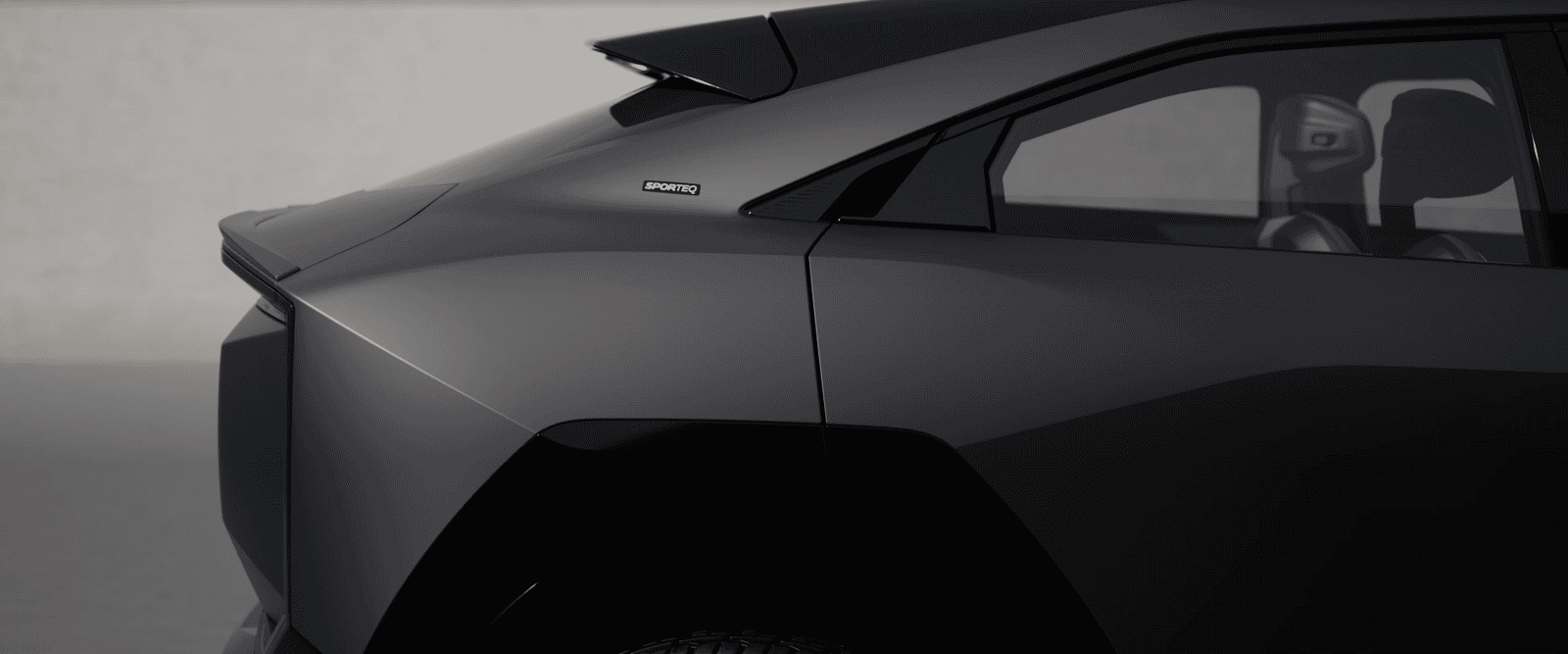
The Launch Edition gets a more exclusive Graphite Storm finish.
There is also a Formula E Freedom Edition, offered in Rosso Impulso, Everest White, Firestorm Orange and Stealth Black, with all four colours receiving a satin finish.
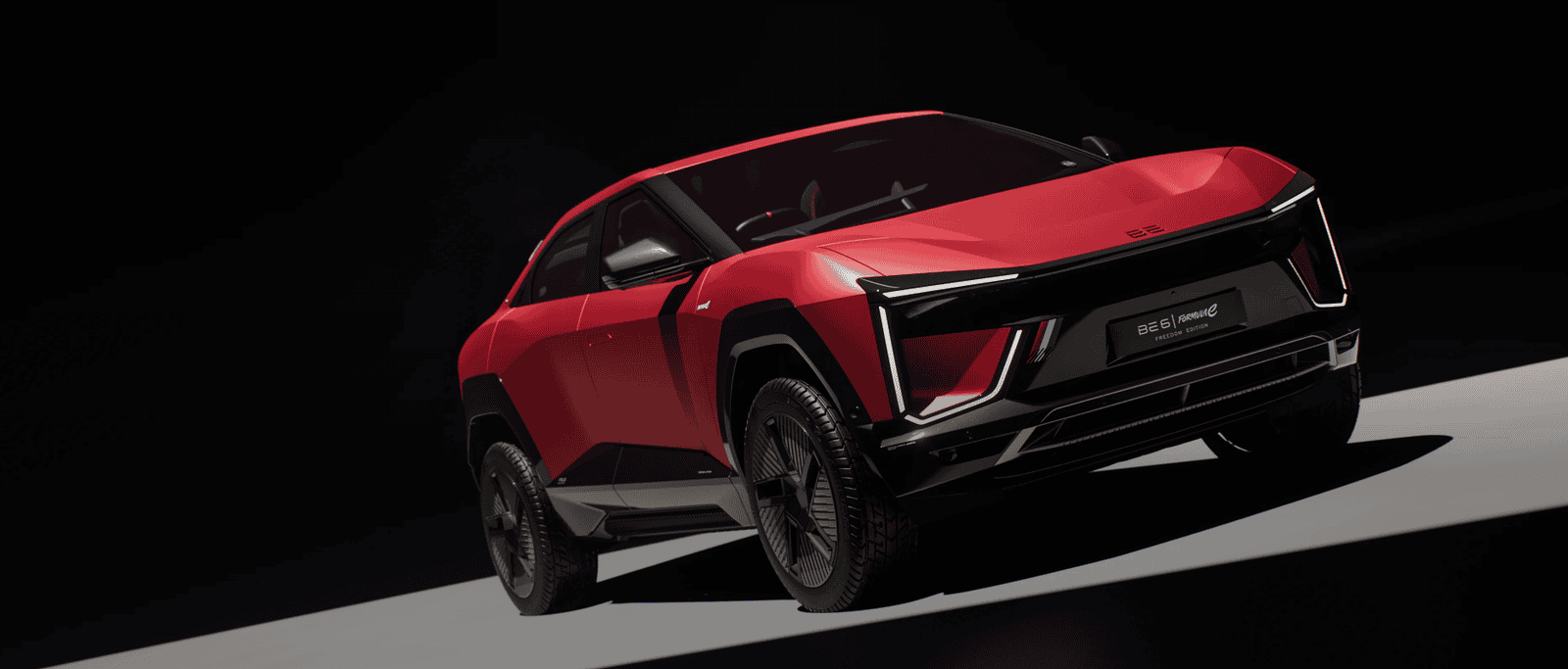
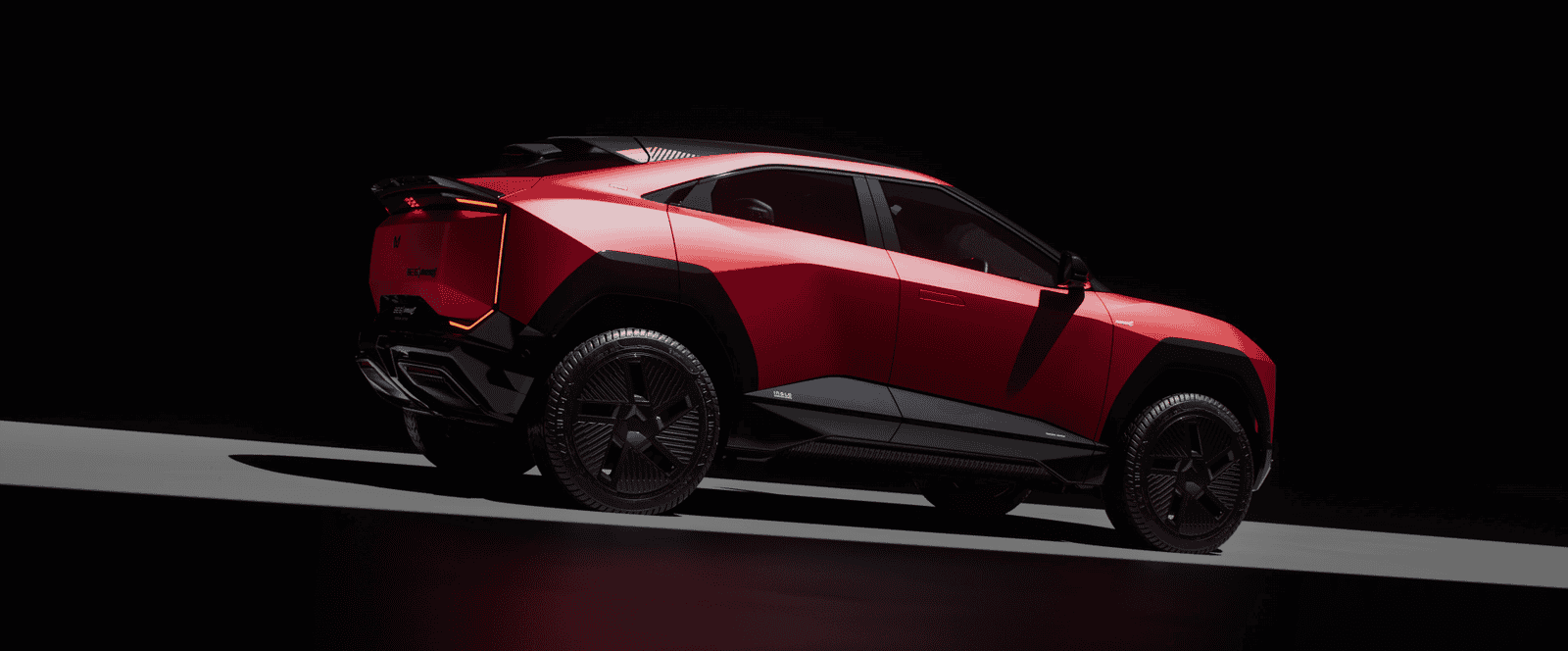
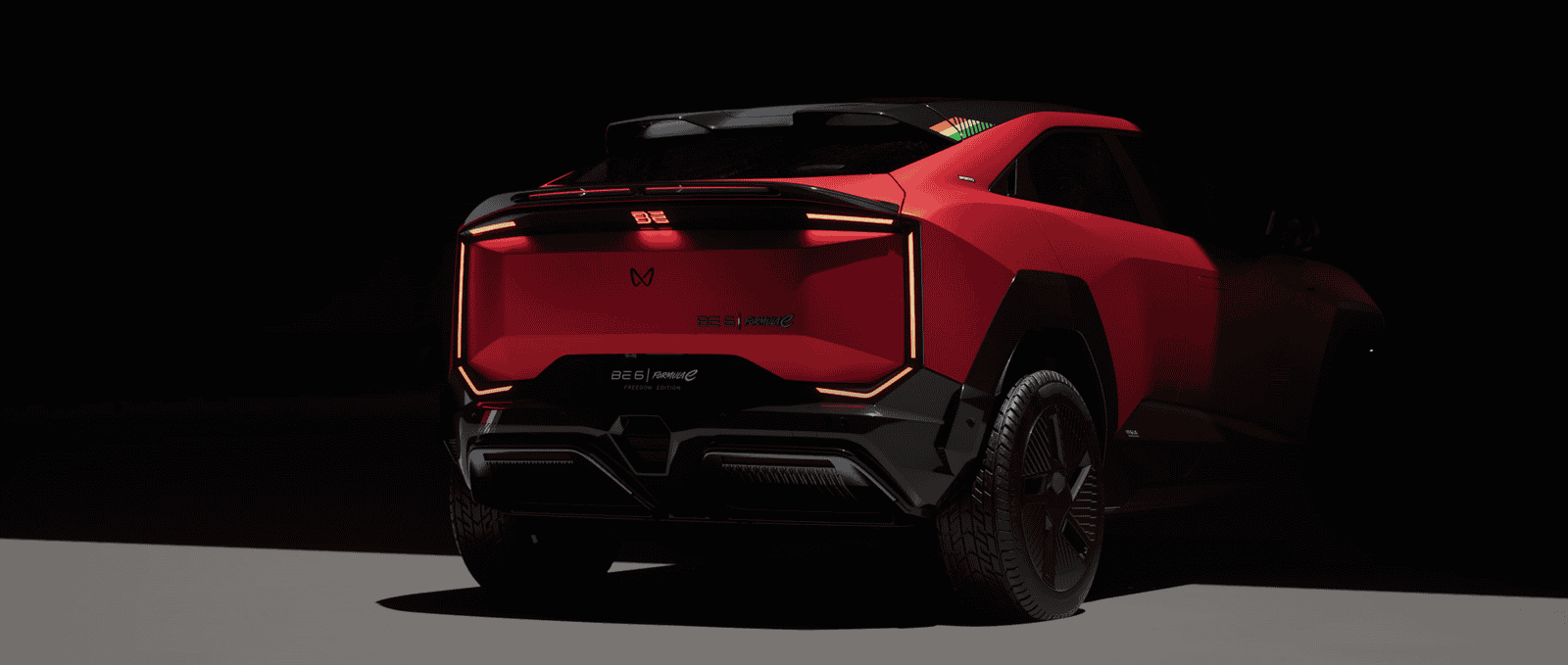
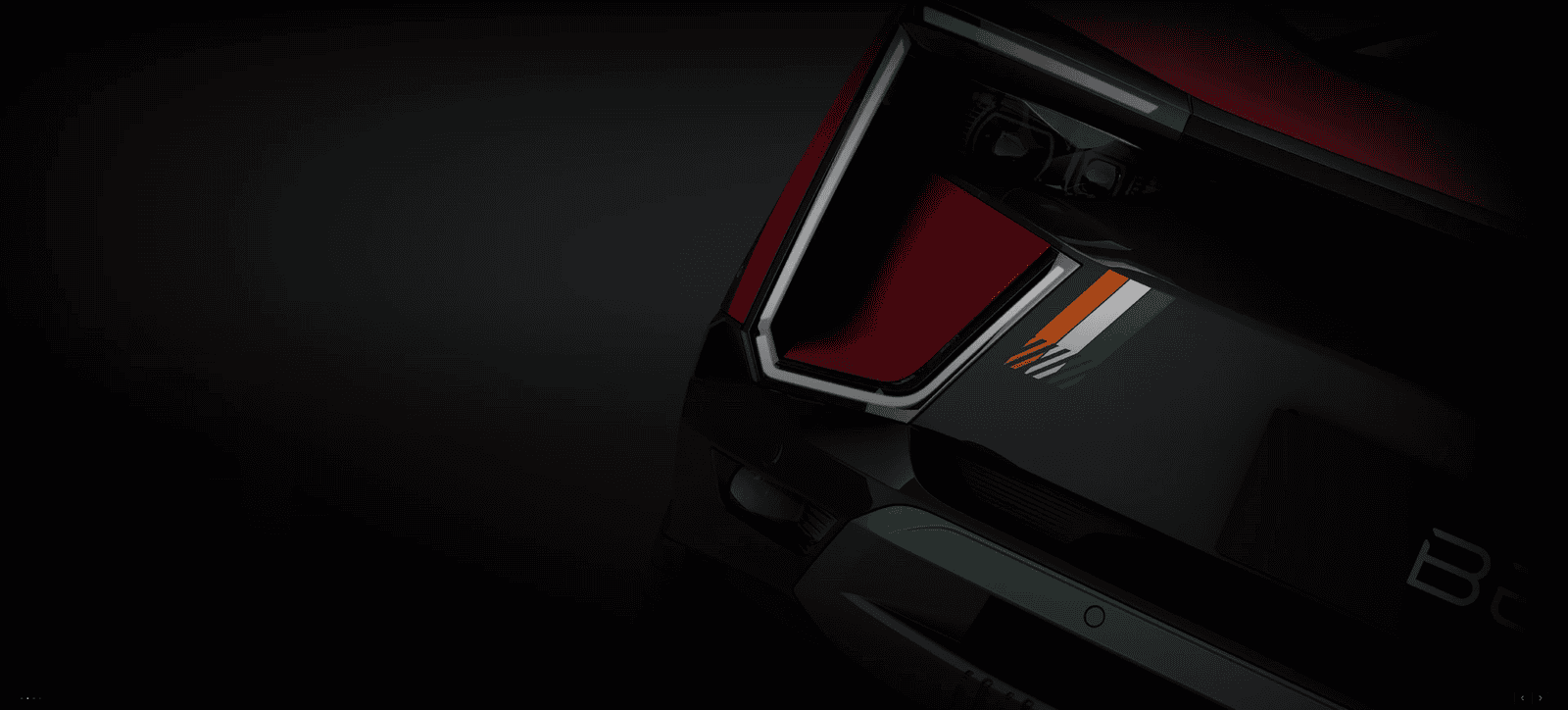
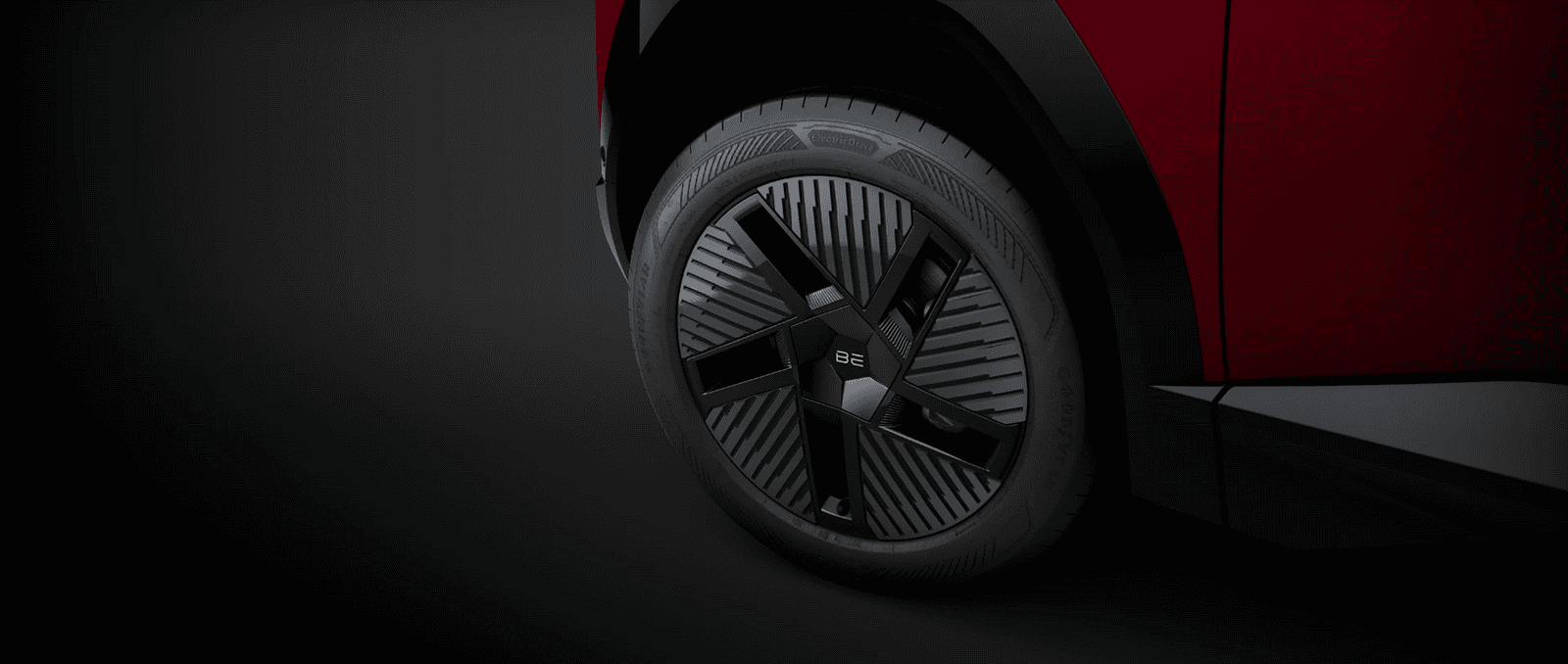
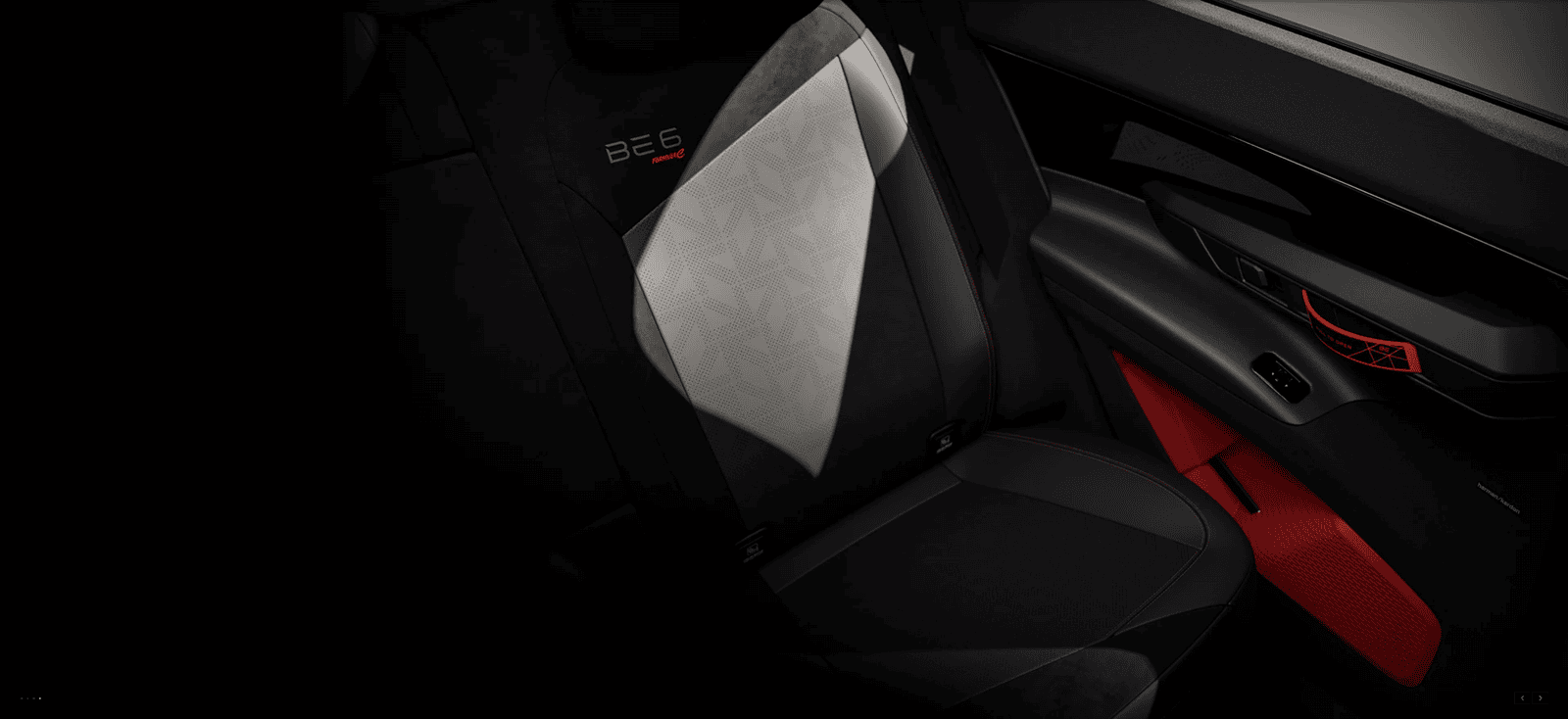
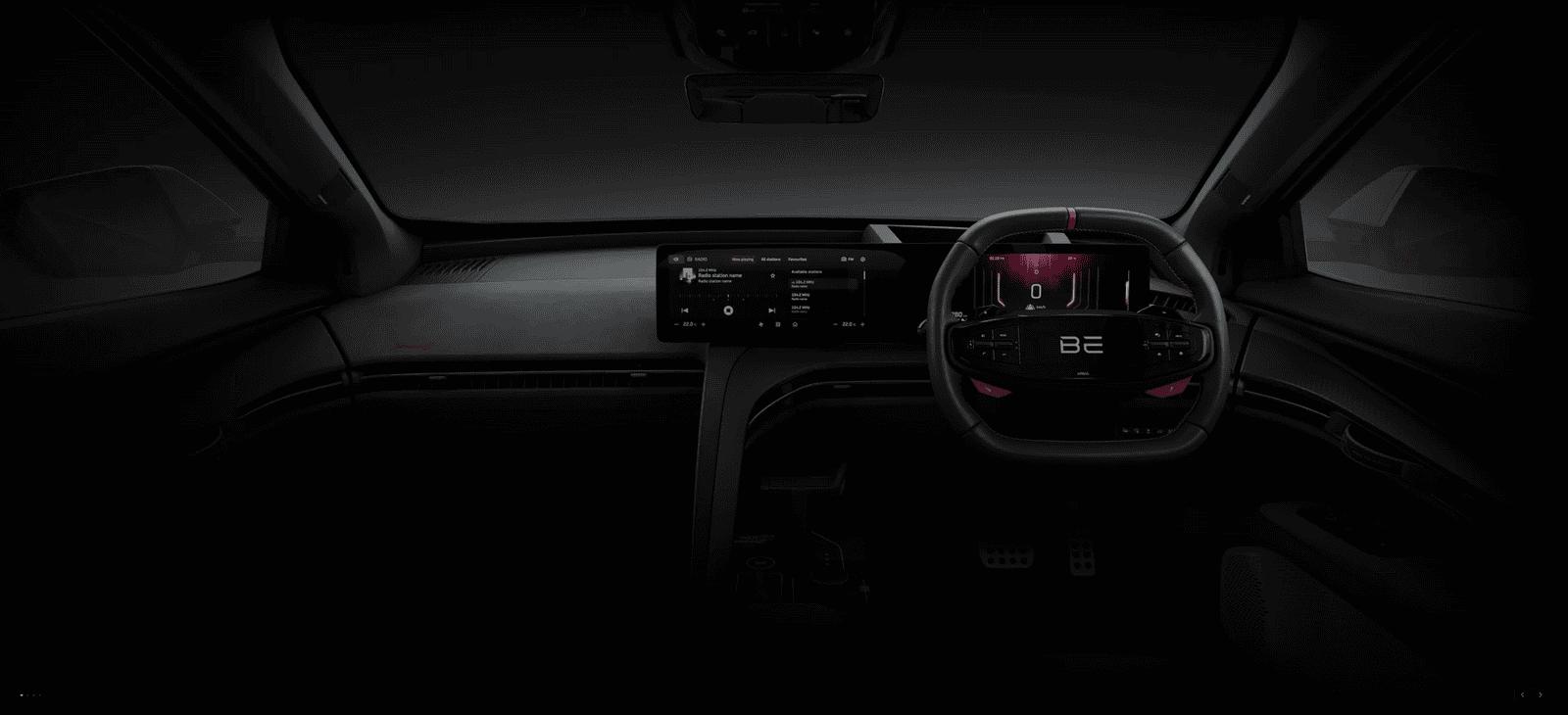
In other words, Mahindra is clearly leaning into the BE 6’s flamboyant character rather than attempting to make it look conventional.
Gemini AI Is One of the Biggest Technology Highlights
Perhaps the more intriguing aspect of the SPORTEQ update is not something you can immediately see from the outside.
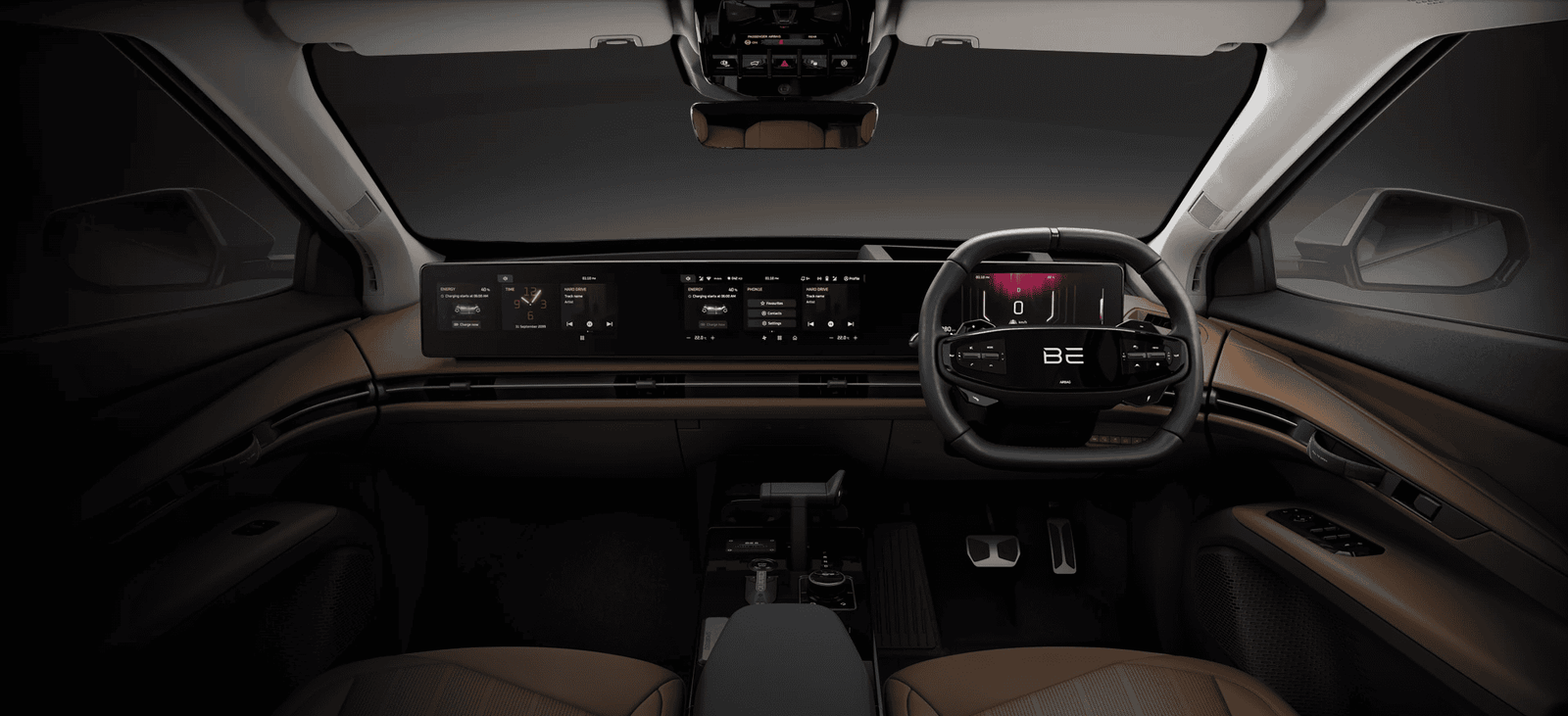
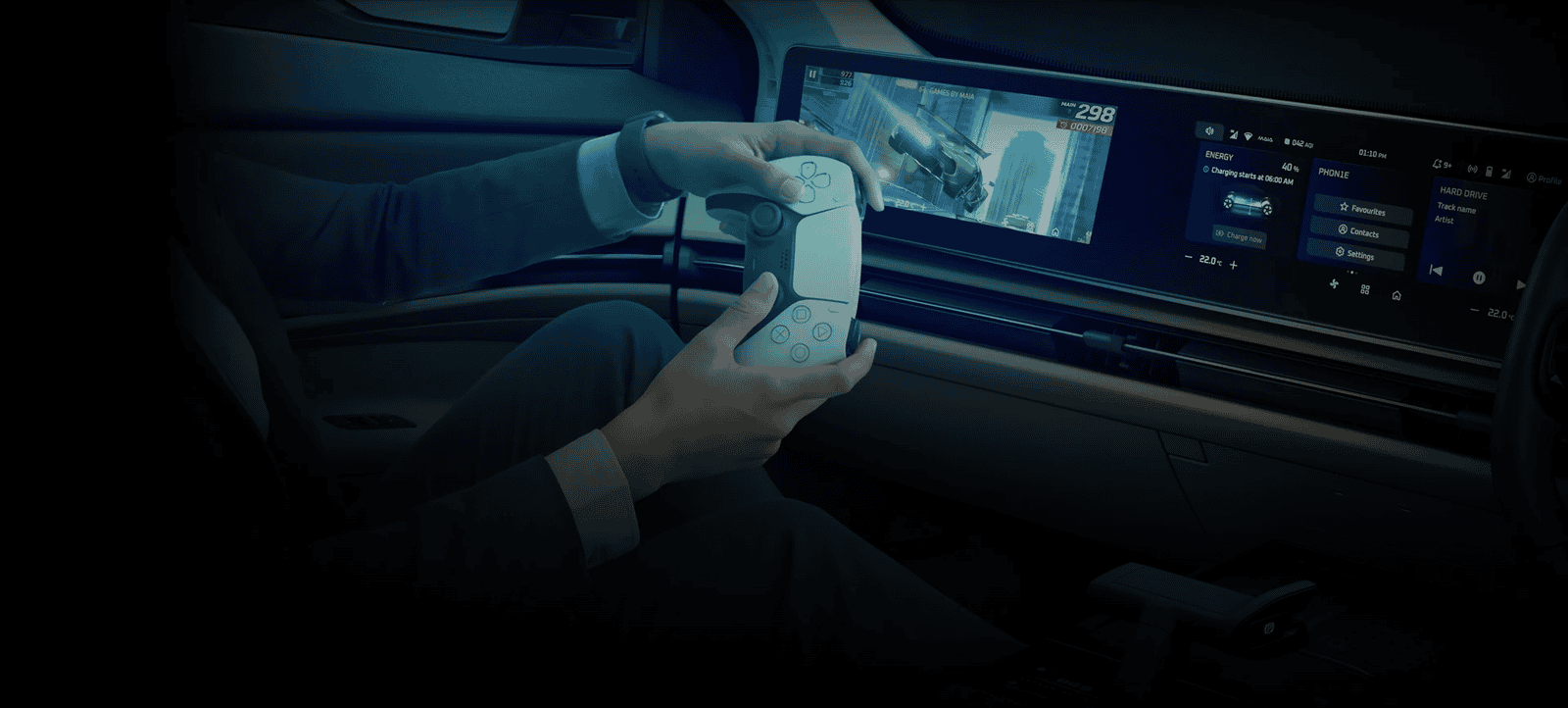
Mahindra has placed considerable emphasis on artificial intelligence and connected technology, including the integration of Google Gemini-powered AI.
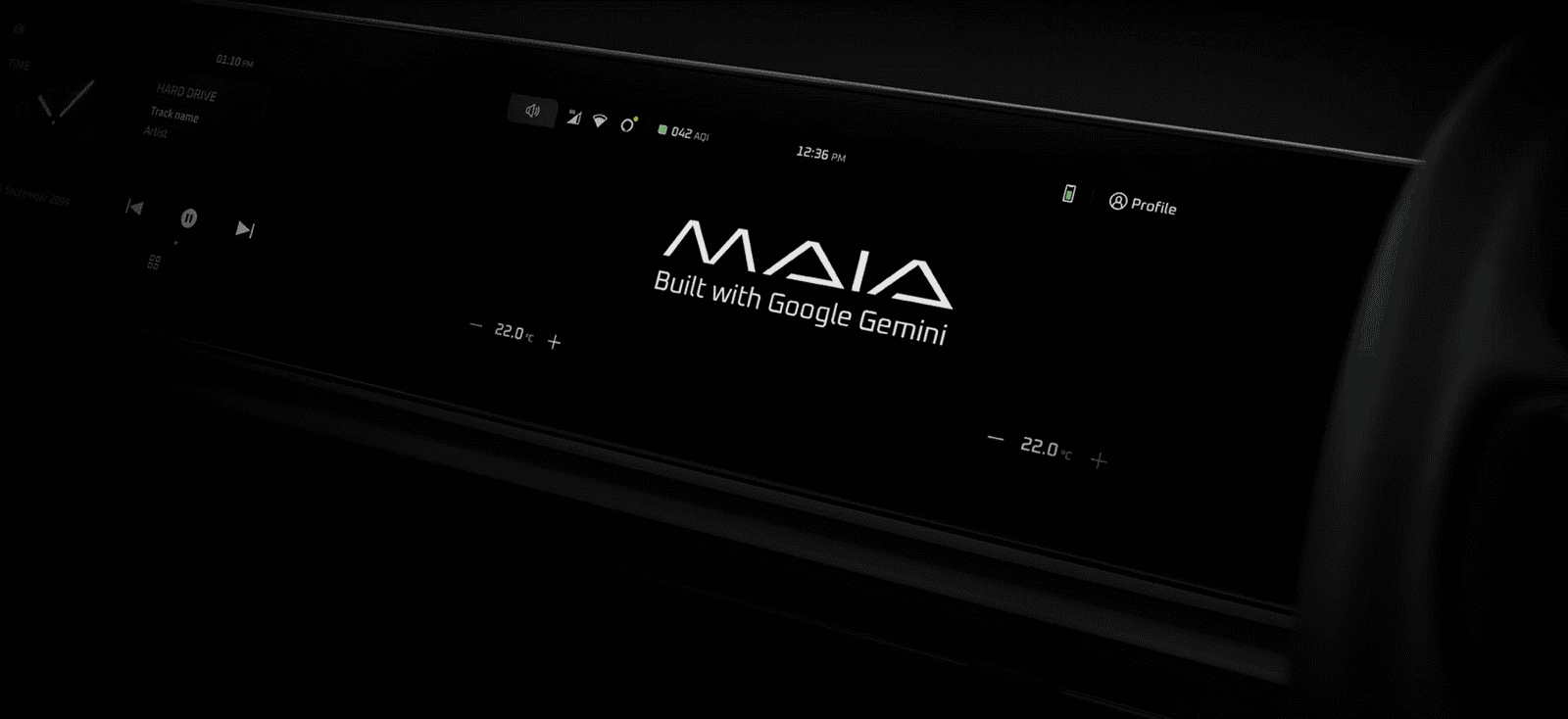
The idea is to move the in-car experience beyond conventional infotainment menus and touch controls. Instead, the vehicle can use AI-driven interaction to make certain functions feel more natural and responsive.
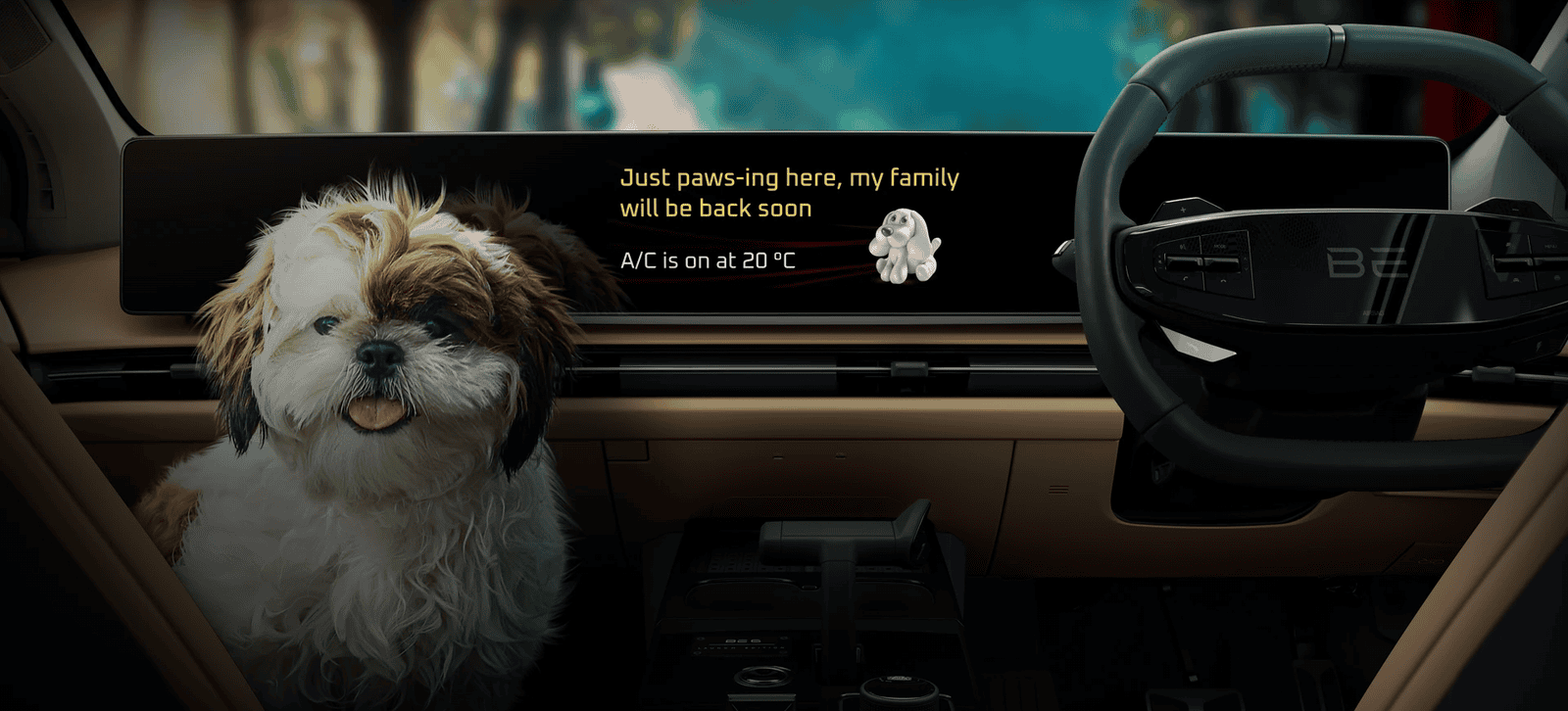
This forms part of a wider collaboration between Mahindra and Google Cloud, with connected technology playing a central role in the company’s vision for future electric vehicles.
The significance extends beyond a single feature. As modern cars increasingly become software-defined products, cloud connectivity and AI could allow vehicles to evolve through software updates rather than remaining locked to the capabilities they had when they left the factory.
Mahindra appears keen to position the BE 6 SPORTEQ within that transition.
How Does the BE 6 SPORTEQ Compare With Its Rivals?
The Indian electric SUV market has become considerably more competitive, and the Mahindra now faces products with very different philosophies.
Tata Sierra EV: A Strong Alternative
The Tata Sierra EV is arguably one of the most interesting alternatives for buyers considering the BE 6 SPORTEQ.
Its retro-inspired design gives it a distinct personality, while the availability of a dual-motor QWD configuration adds another dimension to its appeal. The Sierra also offers a spacious and practical cabin, making it an attractive choice for buyers who want both character and everyday usability.

If the Sierra’s design and QWD setup are what originally caught your attention, there is little reason to abandon that preference simply because Mahindra has updated the BE 6.
Hyundai Creta Electric: The Sensible Choice
The Hyundai Creta Electric follows a much more familiar formula.

It prioritises comfort, refinement and practicality rather than the aggressively futuristic styling associated with the BE 6. For buyers who value a conventional SUV experience and are already comfortable with the Creta nameplate, the electric version remains a compelling option.
In this case, the two vehicles are aimed at somewhat different tastes.
Maruti Suzuki e Vitara and Toyota Urban Cruiser Ebella
The Maruti Suzuki e Vitara takes another relatively conservative approach to electric mobility.

Its appeal comes from a combination of brand familiarity, practicality and a claimed range of 543 km. For EV newcomers who want something that feels approachable rather than experimental, that could prove valuable.
Toyota’s Urban Cruiser Ebella is closely related, with the two models sharing much of their underlying specification while receiving their own styling identities.

If either SUV already fits your requirements, the BE 6 SPORTEQ does not necessarily change the equation.
VinFast VF6: Worth a Second Look
The VinFast VF6 is a more intriguing case.
It entered India without the decades of local brand recognition enjoyed by companies such as Mahindra, Hyundai or Maruti Suzuki, yet its compact footprint, generous equipment and sizeable battery have helped it attract attention.

However, prospective VF6 buyers may want to compare the latest BE 6 SPORTEQ before making a final decision.
Mahindra has advantages in areas such as technology, range and its broader sales and service footprint. For some buyers, that established ecosystem could matter just as much as the specification sheet.
MG Windsor EV: Still a Value Champion
The MG Windsor EV plays a different game altogether.
Its spacious cabin, comfortable driving experience and value-focused positioning have helped make it a standout performer in India’s EV market. It is particularly attractive to buyers who prioritise practicality and affordability over aggressive styling or outright performance.
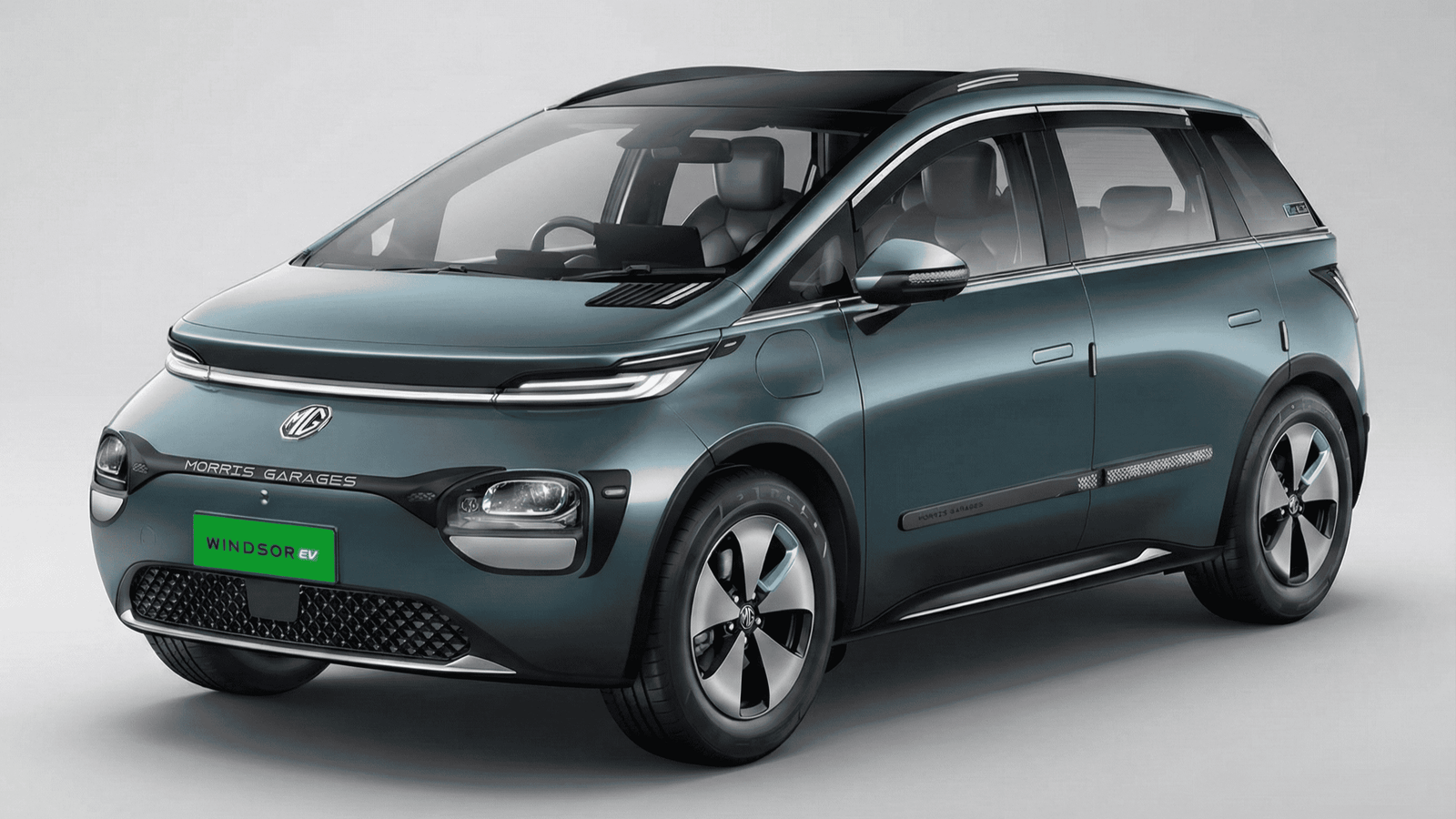
The Windsor and BE 6 SPORTEQ therefore appeal to very different audiences.
If maximum cabin practicality and value are at the top of your list, the Windsor remains difficult to dismiss.
Tata Curvv EV: Showing Its Age
The Tata Curvv EV was an early mainstream electric SUV to push beyond the 500-km claimed-range mark, while its coupe-SUV silhouette helped it stand apart from conventional rivals.

However, the market has moved quickly.
Newer EVs now offer more sophisticated technology and fresher interiors, making the Curvv EV appear less cutting-edge than it once did. Buyers interested in the Curvv may therefore want to compare it carefully with the BE 6 SPORTEQ before committing.
MG ZS EV: A Veteran Facing New Competition
The MG ZS EV deserves credit for helping establish India’s modern electric SUV market. It continues to offer a conventional SUV shape, a substantial battery and a solid overall package.
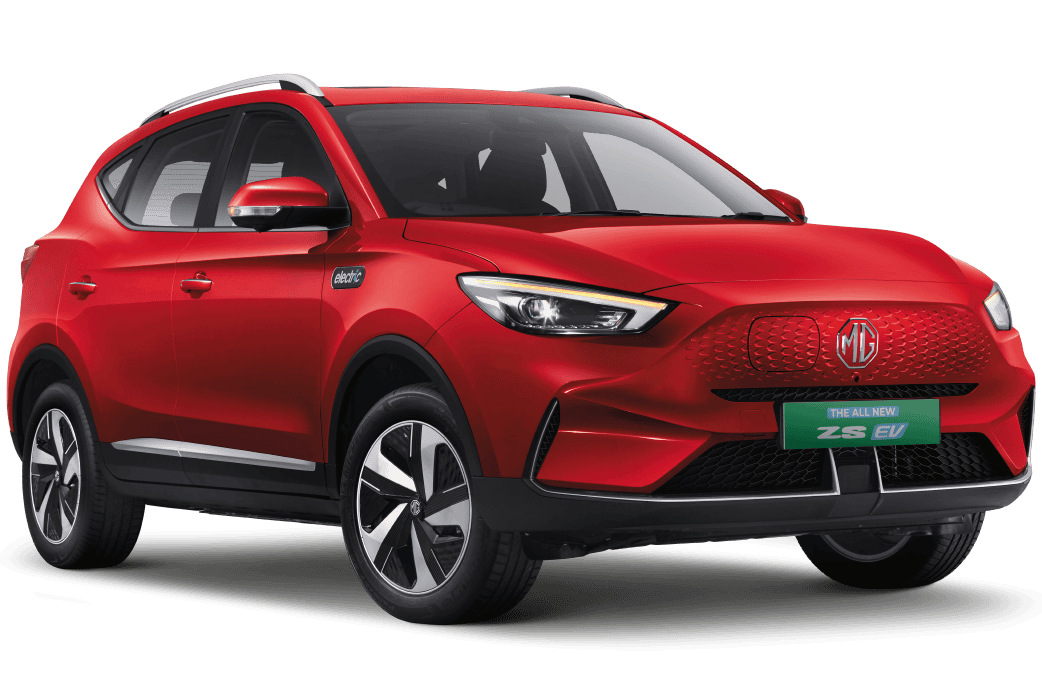
But age is becoming increasingly apparent.
New-generation EVs have raised expectations around digital technology, range, cabin design and connected features. The BE 6 SPORTEQ represents exactly the kind of newer product that makes the ZS EV look less contemporary.
An Upcoming MG EV Could Complicate the Decision
Buyers who are not in a hurry may have another reason to wait.
JSW MG Motor India is preparing the Hector Hawk EV, which is expected to bring a larger, family-oriented electric SUV into the equation. A three-row layout, substantial battery and extensive equipment could make it particularly attractive to buyers who need more cabin space.
Its final specifications and pricing will ultimately determine how seriously it challenges the BE 6 SPORTEQ, but it is certainly a model worth keeping on the radar.
Should You Buy the Mahindra BE 6 SPORTEQ?
The answer depends heavily on what you expect from an electric SUV.
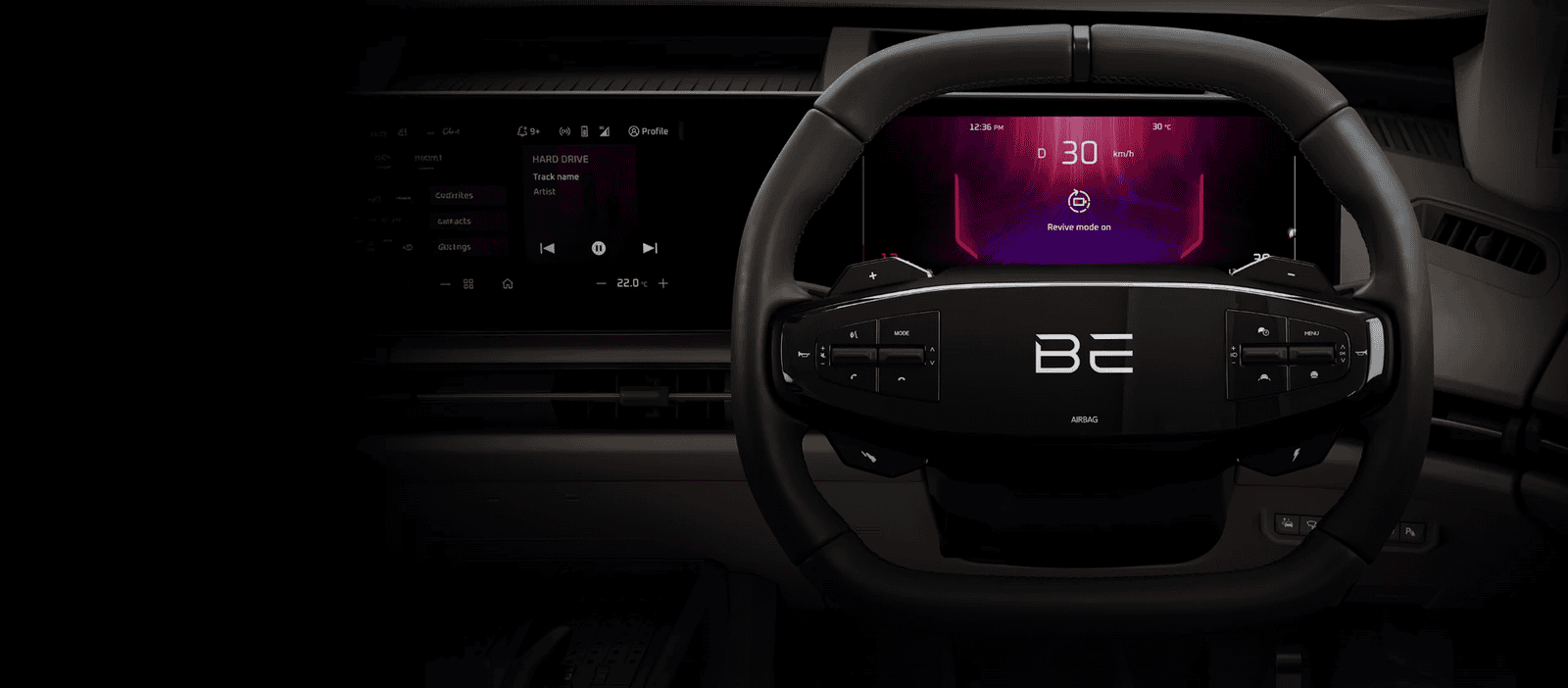
The BE 6 SPORTEQ makes the strongest case for buyers who want futuristic styling, a technology-rich cabin, multiple battery options and a more software-centric driving experience. The addition of Gemini AI and Mahindra’s Google Cloud collaboration gives the SUV another layer of differentiation beyond its electric powertrain.
But it is not automatically the best choice for everyone.
The Tata Sierra EV makes a strong case with its distinctive design and dual-motor QWD configuration. The Creta Electric and e Vitara appeal to buyers seeking familiarity and practicality, while the MG Windsor EV continues to make a compelling value argument.
Meanwhile, buyers considering the VinFast VF6, Tata Curvv EV or MG ZS EV should arguably take a closer look at the refreshed Mahindra before signing on the dotted line.
The BE 6 SPORTEQ is therefore less about replacing every rival and more about raising the technological and stylistic stakes in an increasingly crowded EV segment. With new variants, three battery options, an expansive colour palette and Gemini-powered intelligence, Mahindra has given its electric SUV a sharper proposition without abandoning the character that made the BE 6 stand out in the first place.
For more information about the Mahindra BE 6 SPORTEQ, please visit their official website.
👉 Please 📩SUBSCRIBE to us for more real-world EV analysis, news, and deep dives — written for EV fans by EV fans.

Hey, I’m Badal! I’m super passionate about cars—especially electric ones. Whether it’s EVs, electric trucks, bikes, or anything with a battery and wheels, I’m all in. I love writing blogs and articles that break things down for fellow enthusiasts and curious readers alike. Hope you enjoy the ride as much as I do! Enjoyed reading? You can buy me a coffee on PayPal ☕ → paypal.me/BadalBanjare