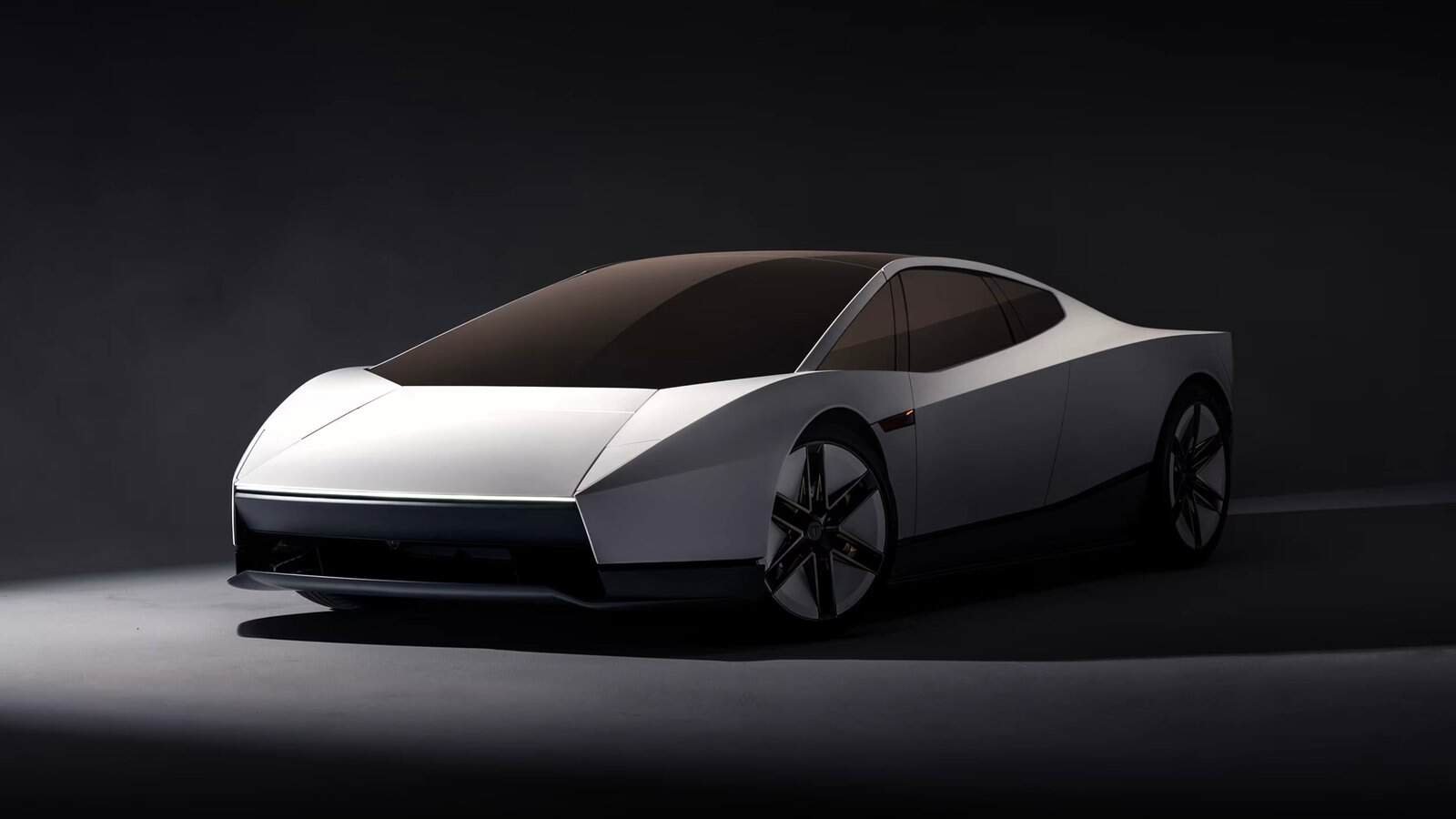

Tesla has finally given the world a closer look at its long-delayed next-generation Roadster, and the latest demonstration is anything but ordinary. The electric sports car was shown driving upside down, launching into the air and performing a mid-air flip using technology inspired by SpaceX. But while Elon Musk’s latest showcase has reignited excitement around the Tesla Roadster, prospective buyers will have to wait until 2028 for the vehicle to enter production.

The demonstration took place at SpaceX’s testing facility in McGregor, Texas, on October 15, 2026. A white prototype tackled a curved ramp before using a suction-based system to remain attached to the structure as it moved upside down. It then disengaged, fired its onboard thrusters and rotated in mid-air before landing on its wheels.
The spectacle highlighted Tesla’s ambition to push electric performance beyond conventional automotive engineering. Yet the technology also raises questions about safety, regulatory approval and whether such an extraordinary machine can become a practical product.
Tesla Roadster Combines Electric Performance With SpaceX Technology
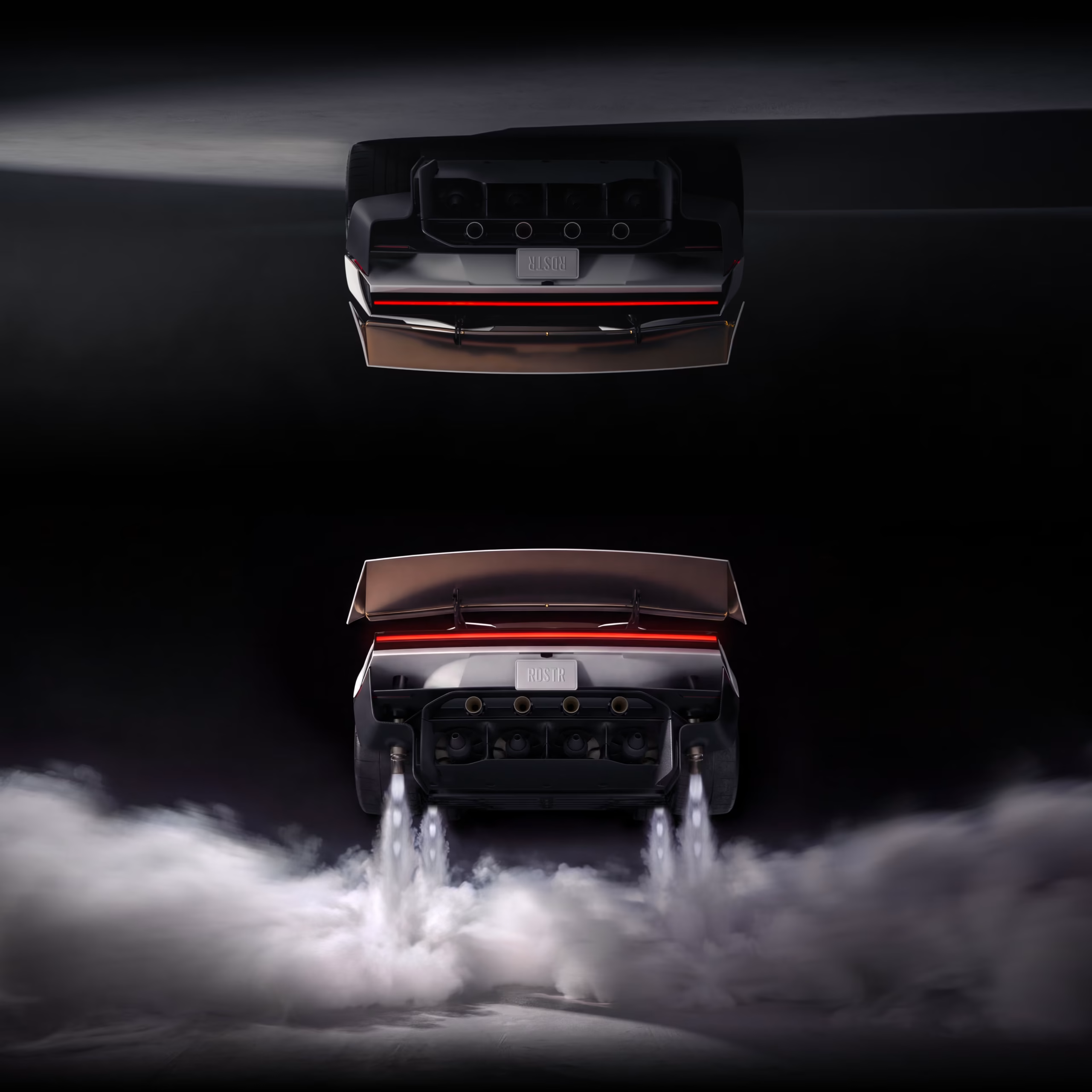
At the centre of the demonstration was the Roadster’s specialised propulsion system, which uses cold-gas thrusters to produce short bursts of thrust. Unlike a conventional rocket engine, the system relies on compressed gas rather than burning rocket fuel.
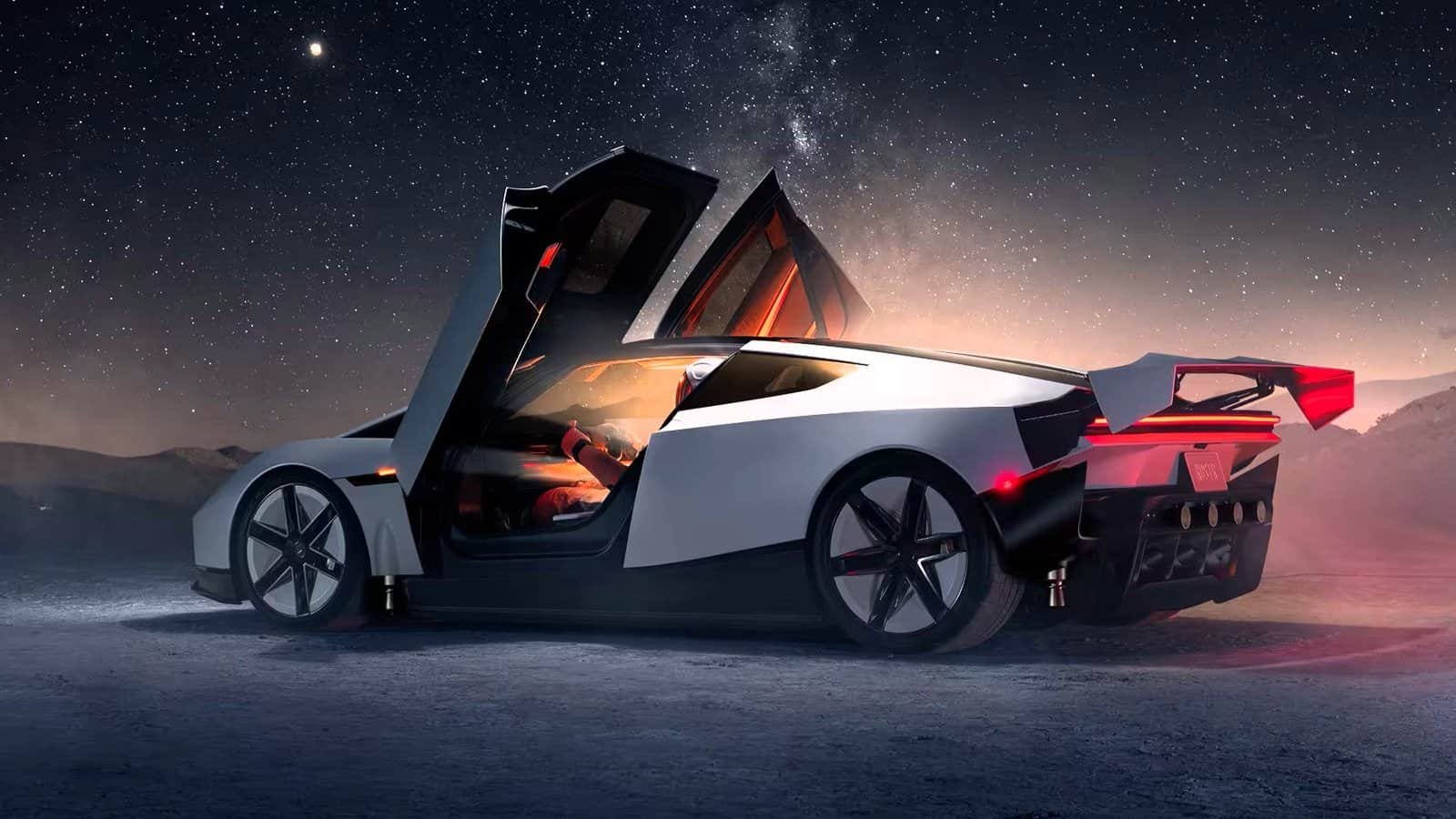
Tesla also demonstrated a suction-based mechanism designed to hold the car against a curved surface, enabling it to travel upside down before launching into the air. The vehicle was operated remotely during the demonstration, keeping a driver out of the cockpit while the experimental manoeuvres were performed.
Musk made another extraordinary claim about the car’s performance, suggesting that it could accelerate from zero to 60 mph in less than a second. If independently verified under comparable testing conditions, that would place the Roadster among the most astonishing acceleration-focused vehicles ever proposed.
However, spectacular demonstrations and performance claims do not necessarily translate into everyday usability. The showcased vehicle briefly left the ground, but that alone does not establish that the Roadster can sustain controlled flight like an aircraft.
For now, its airborne manoeuvres are better understood as an experimental extension of high-performance automotive engineering rather than proof that flying cars are ready for widespread use.
Tesla Roadster Production Delayed Until 2028
The latest unveiling is another milestone in a project that has kept reservation holders waiting for years.
Tesla first announced the second-generation Roadster in 2017, with production initially expected to begin in 2020. That deadline passed without the car reaching customers, and the company subsequently revised its timeline several times.
Production is now expected to begin in 2028. The prolonged wait has frustrated some prospective buyers, particularly those who paid substantial deposits to secure a reservation long before the production model became available.
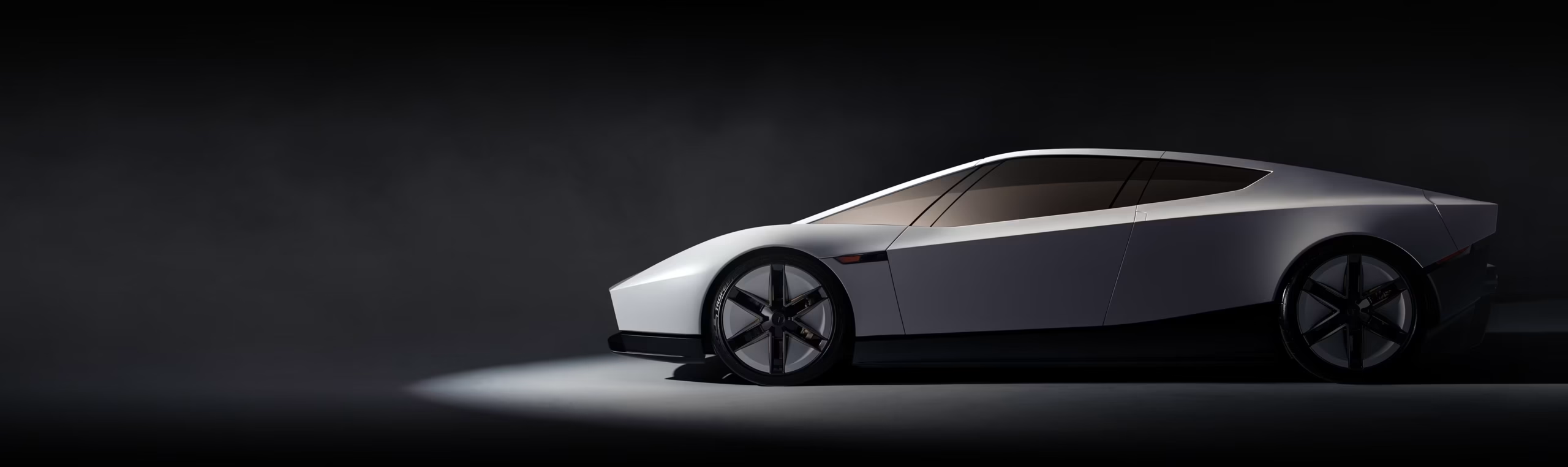
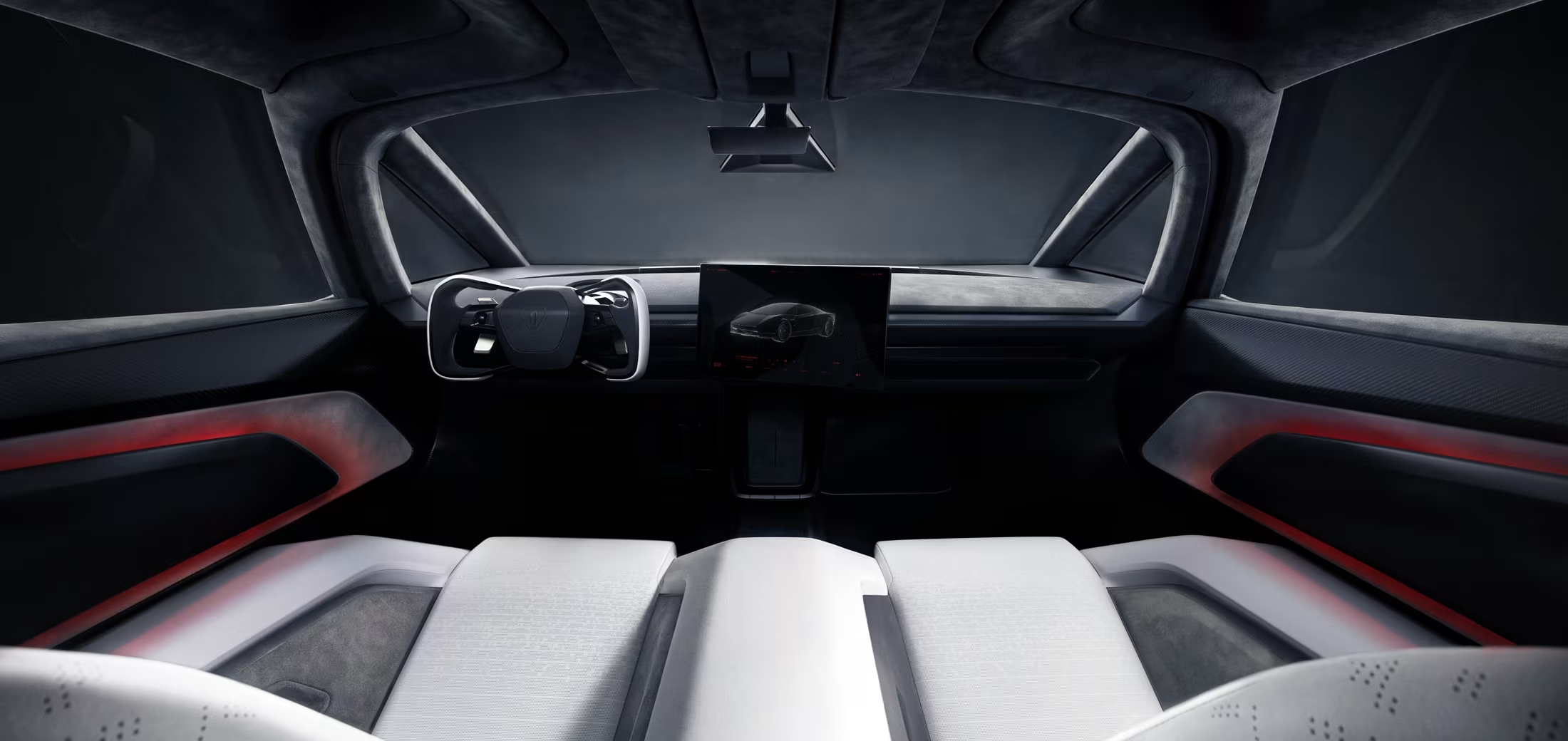
Tesla is also positioning the Roadster as a vehicle with different levels of performance and exclusivity. The conventional Performance configuration is intended for road use, while specialised Thrust and Rocket packages target buyers seeking more extreme capabilities.
The Rocket-equipped version is particularly unusual. It incorporates the experimental flight-oriented technology and is intended for a select group of invited customers rather than the broader market. This configuration is not intended for regular public-road use, underlining the distinction between Tesla’s demonstration vehicle and a conventional production sports car.
Pricing remains another significant consideration. Published reports place the next-generation Roadster above $200,000, although Tesla has not established a firm final price for every configuration. The reservation deposits, meanwhile, represent a considerable commitment for buyers who still lack a confirmed delivery date.
Can the Flying Roadster Help Tesla Regain Momentum?
The Roadster’s significance extends beyond its unusual engineering. It arrives at a time when Tesla faces mounting competition in the global electric vehicle market, particularly from Chinese manufacturers that are expanding their product portfolios, sharpening pricing strategies and advancing battery and vehicle technology.
Against this backdrop, a high-performance electric sports car with aerospace-inspired capabilities gives Tesla an opportunity to showcase its engineering ambitions. It also reinforces the company’s association with technological experimentation at a time when its priorities increasingly encompass artificial intelligence, autonomous driving and robotics.
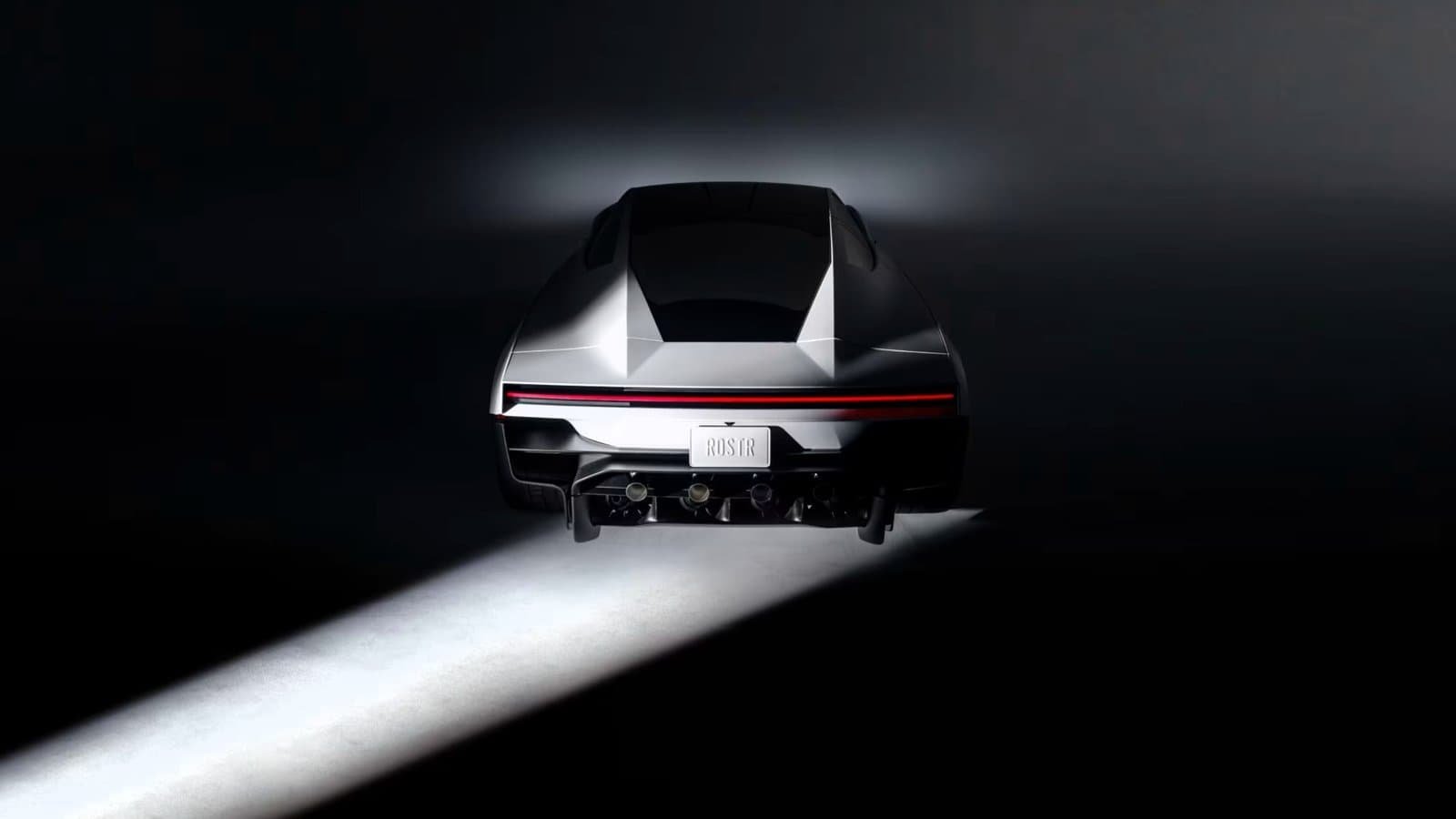
However, the Roadster is unlikely to become a volume seller. Its anticipated six-figure price, specialised hardware and limited production appeal place it firmly in the premium performance segment.
That makes the vehicle more of a technological flagship than a product designed to drive mass-market sales. Its value to Tesla could lie in strengthening brand visibility, demonstrating engineering capabilities and attracting attention to the wider ecosystem of technologies being developed under Musk’s leadership.
Investor sentiment following the unveiling was mixed. Tesla shares initially received a modest lift from the demonstration before subsequently losing ground during Friday’s trading session. The reaction suggests that an attention-grabbing prototype may generate excitement, but investors still have broader commercial questions to consider.
Safety and Regulation Remain Major Hurdles
The Roadster’s most striking feature could also become its biggest commercial obstacle.
A vehicle designed to leave the ground introduces challenges that go well beyond those associated with ordinary electric cars. Regulators would need to consider its intended operating environment, safety systems and the rules governing any airborne capability. Public-road certification for a conventional sports car does not automatically establish that an experimental flight-oriented system can be used legally.
There are also practical questions about how frequently owners could use the technology, what precautions would be necessary and whether the specialised hardware would compromise other aspects of the vehicle.
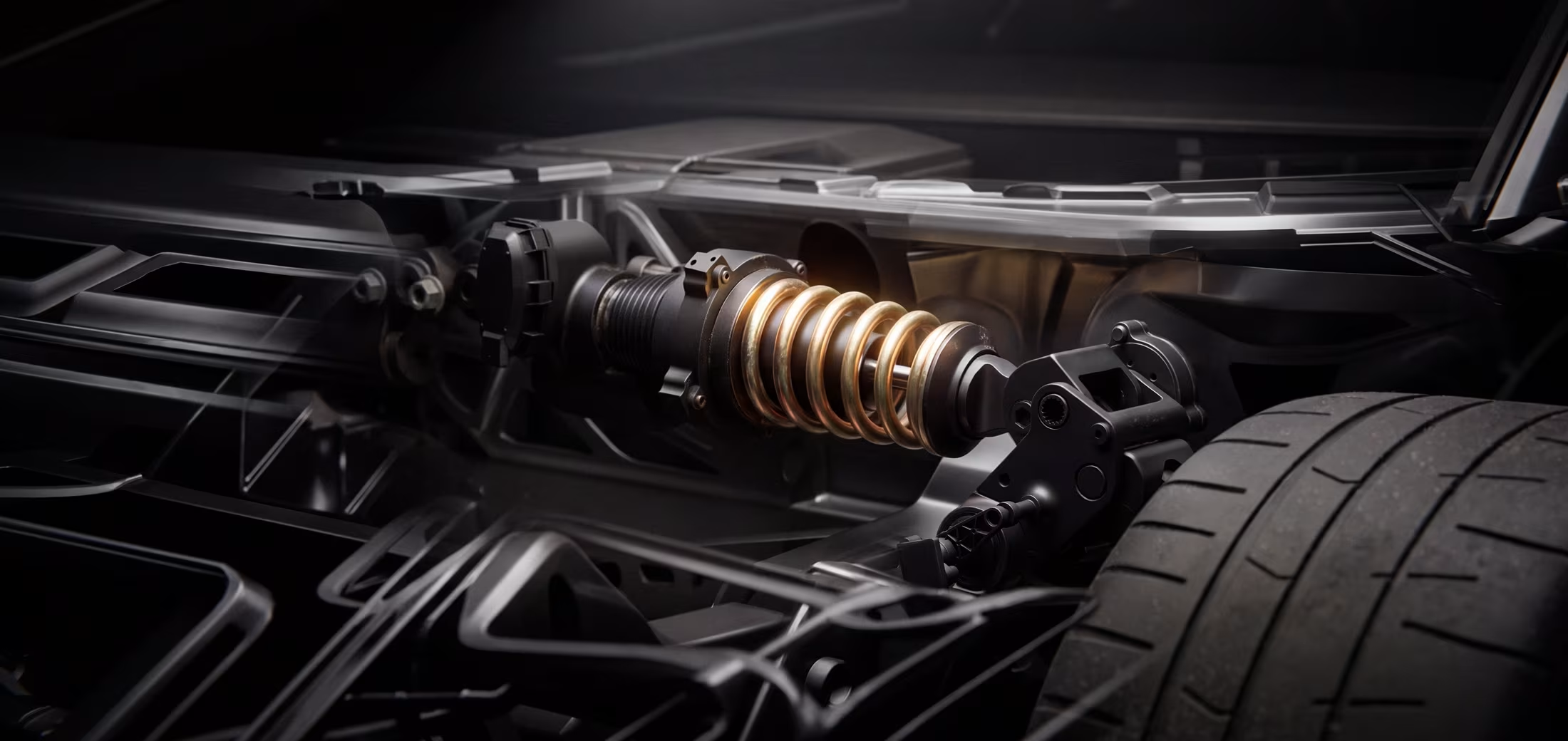
These considerations make it important to distinguish between the Roadster’s demonstrated capabilities and its eventual production specification. Tesla has shown what its experimental technology can accomplish during a controlled demonstration, but considerable work remains before buyers can understand precisely what they will receive.
What Tesla’s Roadster Reveal Means for the Future
The next-generation Roadster is an ambitious attempt to merge electric-car performance with aerospace-inspired engineering. Its latest demonstration has given Tesla a powerful showcase, but the real test will come when the company has to turn that spectacle into a finished, certified and deliverable vehicle.
Production is not expected until 2028, and questions over pricing, availability, safety and real-world practicality remain unresolved.
For Tesla, the Roadster may ultimately serve as a statement of what the company believes electric mobility can become. For buyers, however, the excitement will need to be balanced against a lengthy wait and an unusually experimental set of capabilities.
The demonstration has raised expectations once again. Whether Tesla can deliver on them will determine if the Roadster becomes a genuine automotive milestone or remains one of the industry’s most audacious engineering showcases.
For more information about the Tesla Roadster Flying Car, please visit their official website.
👉 Please 📩SUBSCRIBE to us for more real-world EV analysis, news, and deep dives — written for EV fans by EV fans.

Hey, I’m Badal! I’m super passionate about cars—especially electric ones. Whether it’s EVs, electric trucks, bikes, or anything with a battery and wheels, I’m all in. I love writing blogs and articles that break things down for fellow enthusiasts and curious readers alike. Hope you enjoy the ride as much as I do! Enjoyed reading? You can buy me a coffee on PayPal ☕ → paypal.me/BadalBanjare