
Hyundai is preparing a smaller electric SUV for India, and it could bring some of the technology found in more expensive EVs to a more accessible price segment. Expected to arrive in early 2027, the upcoming model could be called the Hyundai Ioniq 1, although another report refers to it as the Ioniq P. The automaker has yet to confirm its official name.
Internally codenamed HE1i, the new electric SUV is expected to sit below the Creta Electric in Hyundai India’s lineup. Its arrival could give buyers another option in the increasingly competitive compact EV market, where models such as the Tata Nexon EV, Mahindra XUV 3XO EV and Kia Syros EV are expected to compete for attention.

Hyundai management confirmed plans to introduce a new electric SUV in India during the company’s third-quarter 2026 earnings conference call on October 29. The launch is planned for the first quarter of 2027, although the exact date remains unconfirmed. Some reports point to a January debut.
Hyundai’s New Electric SUV Will Use a Dedicated EV Platform
Unlike a conventional SUV adapted for electric power, the upcoming Hyundai EV is expected to use the E-GMP K platform, which also underpins the Hyundai Inster sold in international markets.
A dedicated electric architecture can offer several packaging advantages. With fewer compromises associated with accommodating a conventional combustion engine, Hyundai should have more flexibility when arranging the cabin, battery and other electrical components.
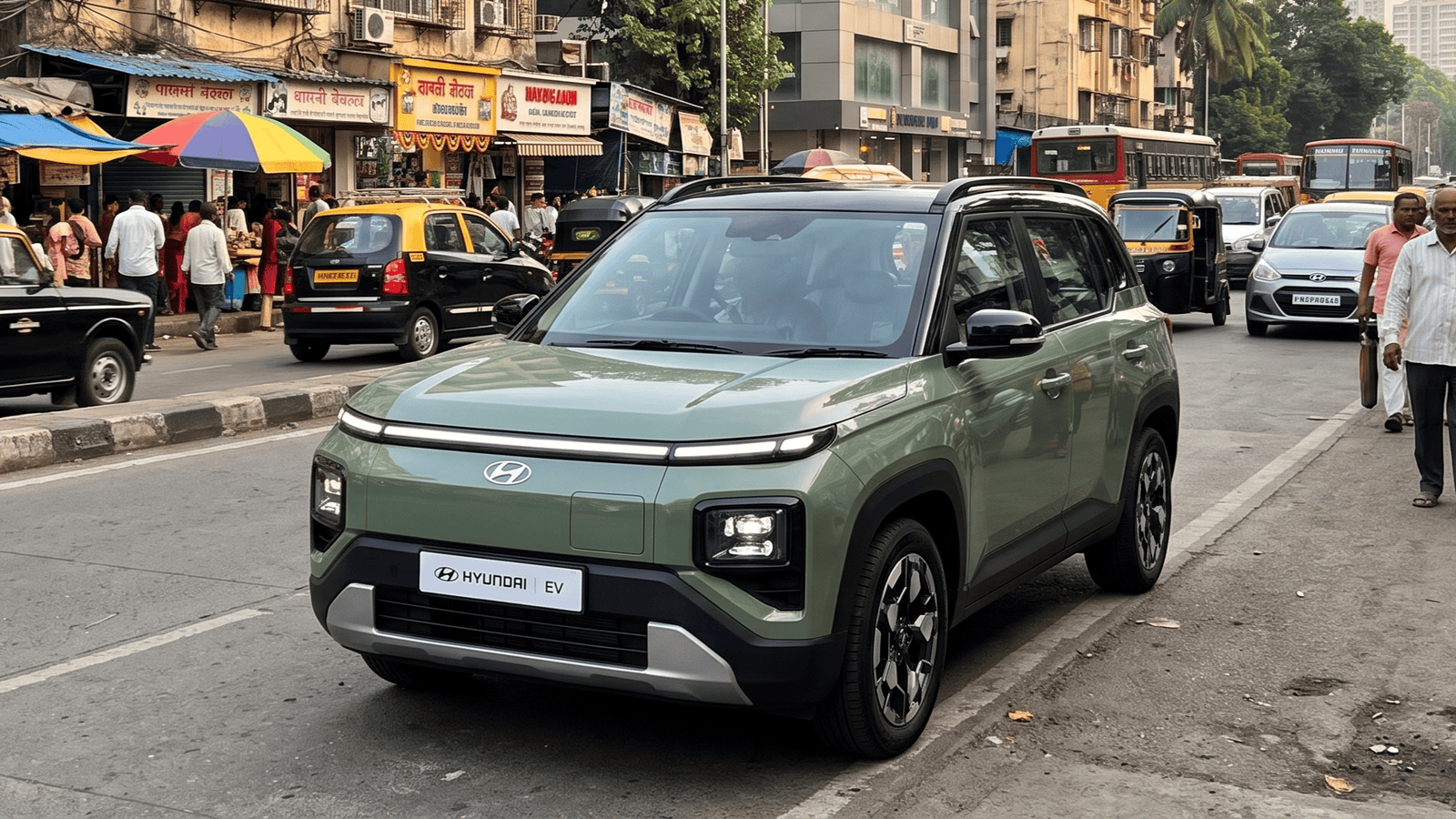
The test vehicles spotted on Indian roads suggest a relatively upright body, short overhangs and a boxy silhouette. These proportions could help maximise interior space while keeping the vehicle manageable in crowded cities.
The India-spec model is expected to be comparable in size to the Hyundai Venue or Kia Syros, although its final dimensions have not been revealed. Reports suggest a wheelbase exceeding 2,500mm and ground clearance of around 190mm, but these figures remain unconfirmed.
Hyundai will manufacture the electric SUV locally at its Sriperumbudur facility in Tamil Nadu. Local production could help the company manage costs and position the vehicle more competitively against established electric SUVs.
Boxy Styling Could Set the Hyundai Ioniq 1 Apart
The upcoming electric SUV appears to take a different approach to styling compared with the more conventional Hyundai Creta Electric.
Its expected design draws some inspiration from the global Hyundai Inster, with a tall profile and an upright rear section. However, the India-bound model appears to have a more substantial SUV stance.
Based on test vehicle observations, potential exterior highlights include split lighting units, LED daytime running lights, lower-mounted headlamps and pixel-inspired lighting elements. Black body cladding, roof rails and a largely flat roofline could complete the look.
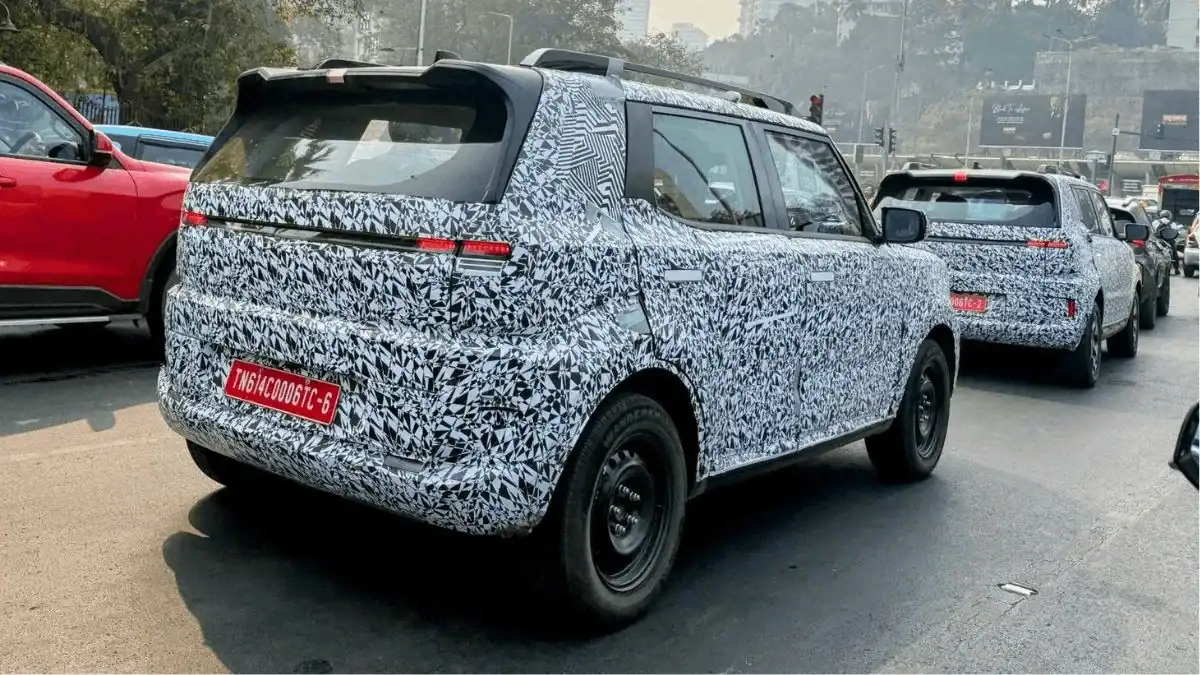
The practical benefits may matter more than the styling itself. A taller roof and near-vertical tailgate can make better use of the available cabin space, while short overhangs may help with manoeuvring and parking in tight urban environments.
The final production design has not yet been officially revealed, so these details should be treated as expectations rather than confirmed equipment.
Next-Generation Infotainment and Level 2 ADAS Expected
Technology could become one of the Hyundai Ioniq 1’s main selling points.
Hyundai has indicated that its upcoming electric SUV will feature a next-generation infotainment system, Level 2 advanced driver assistance systems (ADAS) and updated connected-car technology. The full equipment list, however, is still under wraps.
The new Pleos Connect infotainment system is one possibility for the India-spec model. Hyundai is also expected to introduce the system in other upcoming vehicles, including the next-generation Creta.
Depending on the final variant lineup, the electric SUV could offer a touchscreen infotainment system, a digital instrument cluster, wireless Android Auto and Apple CarPlay, automatic climate control and ventilated front seats.
A panoramic sunroof, 360-degree camera and vehicle-to-load (V2L) functionality are also possible, although none of these features has been confirmed for the production model.
On the safety front, the SUV could receive adaptive cruise control, automatic emergency braking and lane-keeping assistance. Other potential features include six airbags, electronic stability control, tyre pressure monitoring and a blind-view monitor.
The important question is how much of this equipment Hyundai will offer on the entry-level variants. A well-equipped base model could help the SUV appeal to buyers who want modern technology without paying for a larger electric vehicle.
Hyundai Ioniq 1 Battery Options and Expected Range
Hyundai is reportedly developing Standard Range and Long Range versions of the new electric SUV. This approach would allow buyers to choose between a lower purchase price and a larger battery for longer journeys.
The company has not disclosed the India-spec battery capacities, motor output or official driving range.
For context, the international Hyundai Inster is available with 42kWh and 49kWh battery packs. The larger-battery version has a claimed WLTP range of up to 355km.
The upcoming India-spec model could receive different battery options. Reports also suggest a possible connection with the battery configurations expected for the Kia Syros EV, including 42kWh and 51.4kWh packs. However, there is no official confirmation that Hyundai will use the same capacities.
A larger battery could make the Ioniq 1 more suitable for occasional highway journeys, but its actual range will depend on the final battery size, motor efficiency, vehicle weight and driving conditions.
DC fast charging is also expected. Charging from 10% to 80% in around 30 minutes may be possible if the production model supports suitable charging speeds and conditions. The actual time will depend on the battery configuration, charging hardware, temperature and available charger output.
For now, buyers will have to wait for Hyundai to disclose the specifications before making meaningful comparisons with rival electric SUVs.
Local Battery Production Could Support Hyundai’s EV Plans
Battery sourcing will be another important part of the new SUV’s development.
Reports indicate that Hyundai initially plans to use imported battery cells, with Svolt mentioned as a potential supplier. The company is also working to expand local sourcing through its partnership with Exide Industries.
Battery cell supplies under the Hyundai-Kia programme are expected to begin in 2027, potentially supporting greater localisation across the companies’ future electric vehicles.
Local battery sourcing could eventually help Hyundai strengthen its supply chain and reduce its dependence on imported cells. However, the effect on the Ioniq 1’s production costs and pricing remains uncertain.
The extent of localisation at launch has not been confirmed.
Hyundai Ioniq 1 Rivals: Tata Nexon EV, Mahindra XUV 3XO EV and Kia Syros EV
The new Hyundai electric SUV will enter a segment where buyers increasingly have several models to consider.
Its expected competitors include the Tata Nexon EV, Mahindra XUV 3XO EV and Kia Syros EV. Each will put pressure on Hyundai to deliver a convincing balance of price, driving range, charging capability, cabin space and equipment.
The Ioniq 1’s dedicated EV platform could give it an advantage in packaging, while local manufacturing may help Hyundai position it competitively.
However, those advantages alone will not guarantee success. Buyers will also want a useful real-world range, reasonable charging times, a dependable service network and a battery warranty that provides confidence over long-term ownership.
Hyundai has not announced the SUV’s price. Its final positioning will be particularly important because the model is expected to sit below the Creta Electric and attract customers looking for a smaller, potentially more affordable EV.
Hyundai Bayon and Next-Generation Creta Are Also on the Way
The upcoming electric SUV forms part of Hyundai’s wider product expansion strategy for India.
The Bayon is scheduled to arrive in the Indian market around late 2026, according to the reported timeline, while the next-generation Creta is expected around March 2027.
These models could help Hyundai cover different parts of the SUV market. The Bayon and next-generation Creta would broaden its conventional SUV offerings, while the new Ioniq model would provide another entry point into its electric vehicle range.
The compact EV could be especially relevant to buyers who find the Creta Electric too expensive or larger than they need for everyday use.
That said, its success will depend heavily on the price Hyundai eventually announces, along with the driving range and features available on each variant.
When Will the Hyundai Ioniq 1 Launch in India?
Hyundai’s new compact electric SUV is planned for launch in the first quarter of 2027, with January cited as a possible debut month in reports. The company has not yet confirmed the exact launch date or officially announced whether the model will be called the Ioniq 1 or Ioniq P.
Battery specifications, claimed range, charging performance, motor output and pricing also remain undisclosed.
If Hyundai can combine a practical battery range, a spacious cabin, modern technology and competitive pricing, the upcoming EV could become an important addition to India’s affordable electric SUV segment.
For now, the biggest details are still to come. The final specifications and price will determine whether Hyundai’s smallest India-focused Ioniq model can stand out in an increasingly crowded market.
For more information about the Hyundai Ioniq 1, please visit their official website.
👉 Please 📩SUBSCRIBE to us for more real-world EV analysis, news, and deep dives — written for EV fans by EV fans.

Hey, I’m Badal! I’m super passionate about cars—especially electric ones. Whether it’s EVs, electric trucks, bikes, or anything with a battery and wheels, I’m all in. I love writing blogs and articles that break things down for fellow enthusiasts and curious readers alike. Hope you enjoy the ride as much as I do! Enjoyed reading? You can buy me a coffee on PayPal ☕ → paypal.me/BadalBanjare