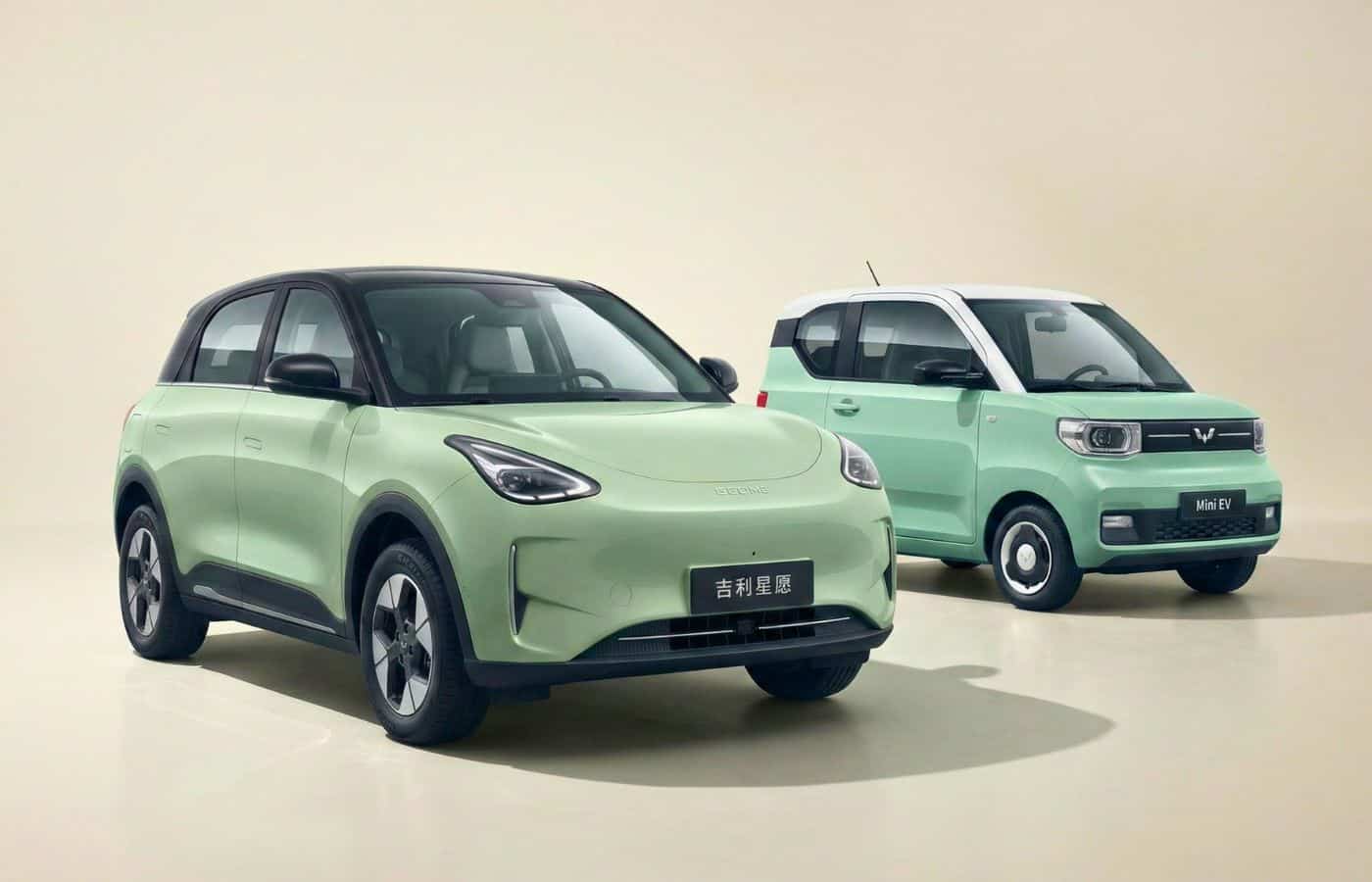

In China, affordable electric mobility is no longer just a niche experiment. It’s the main event.
Last year, competitively priced battery-electric vehicles offered by Geely Auto and Wuling Motor Holdings surged to the top of the mainland’s sales rankings, overtaking products from industry giants like BYD and Tesla.
Both Geely and Wuling did what many premium brands could not do: Go big, with an affordability factor that paid off. Each gained 400k+ units of sales for sub-100,000 yuan battery-electric models, highlighting a clear pivot in consumer sentiment towards cost-effective forms of electrification.
Geely’s Xingyuan Leads the Charge
Geely sold more than 459,000 units of its compact Xingyuan EV in 2025, priced from between 68,800 yuan (US$9,960) and 98,800 yuan (US$14,300). That number reflects a huge jump from only 52,570 units this time last year.
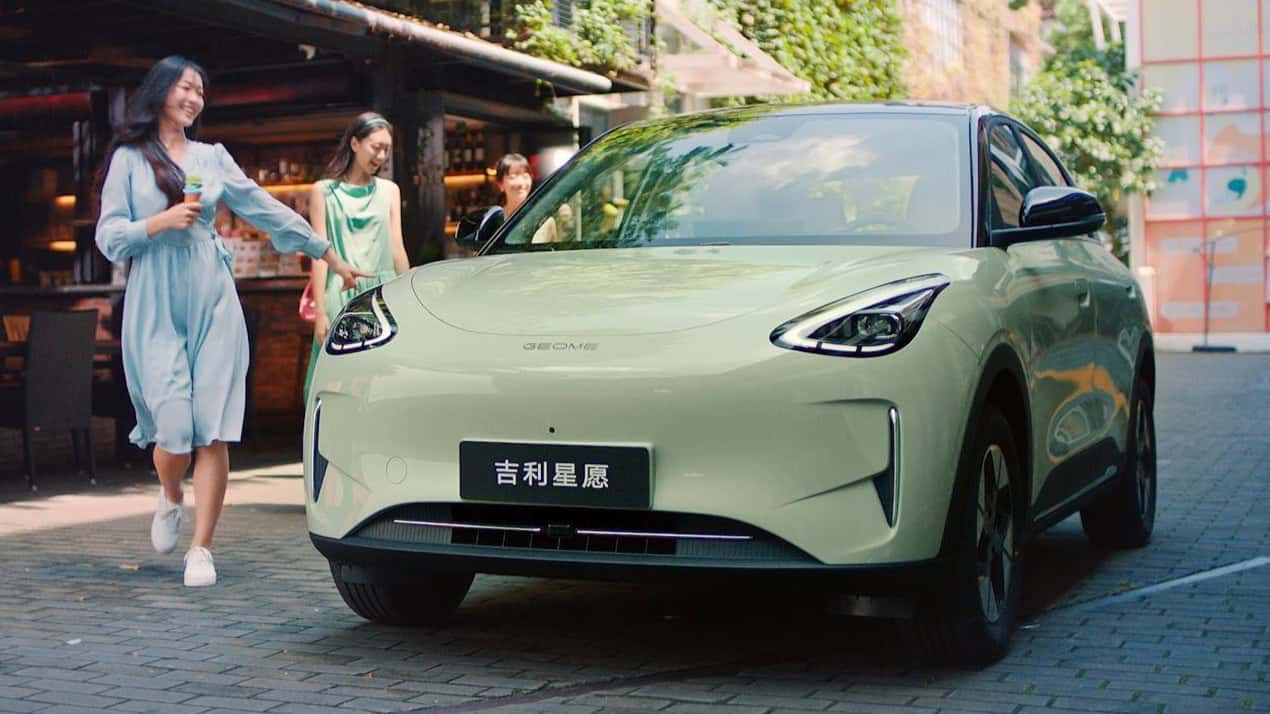
The data, compiled by an affiliate of the state-backed China Automotive Technology and Research Center, left the Xingyuan firmly at the top of sales of foreign-brand electric vehicles in mainland China.
This wasn’t incremental growth. It was exponential acceleration.
Wuling’s Mini Marvel
Just behind was Wuling’s Hongguang Mini EV — a sub-100,000 yuan rival — which notched 427,000 deliveries for an impressive year-on-year rise of 55 percent.
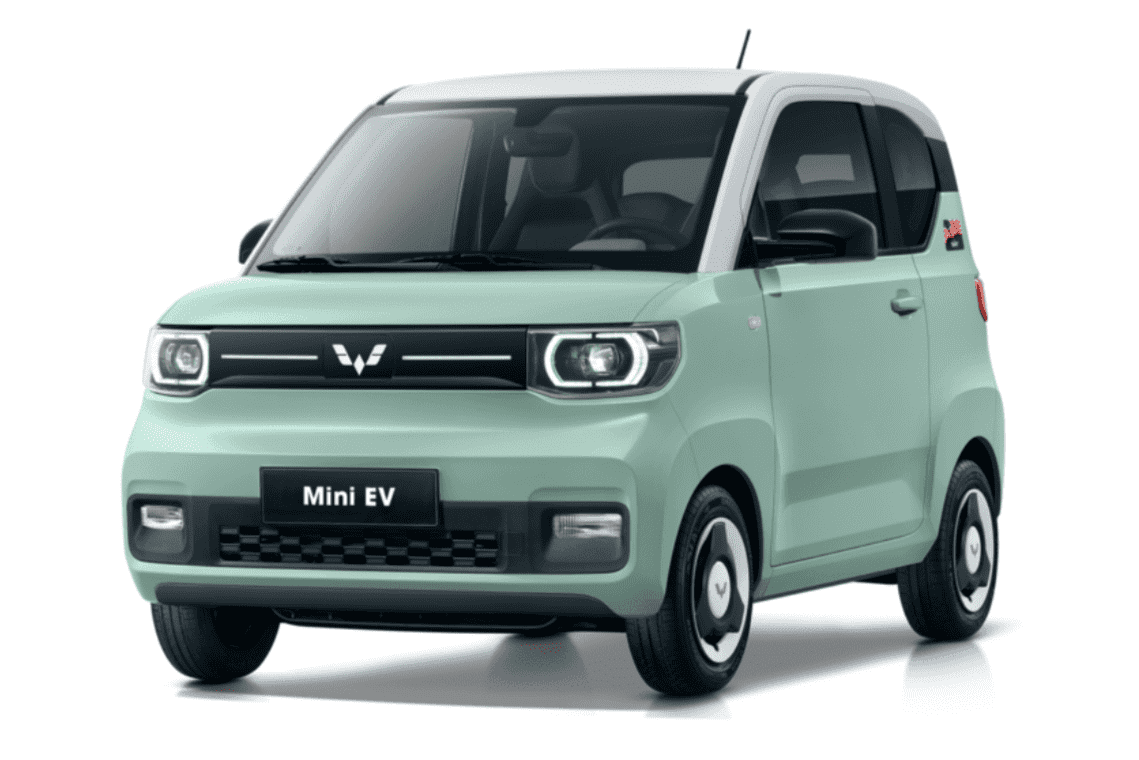
Compact, utilitarian, and aggressively priced, the Mini EV is still hitting chords with urban suitors that want no-nonsense electric propulsion rather than aspirational mithering.
Tesla’s Model Y Drops to Third
In third place was the Tesla Model Y sales fell almost 21 per cent year over year to 382,300 units.
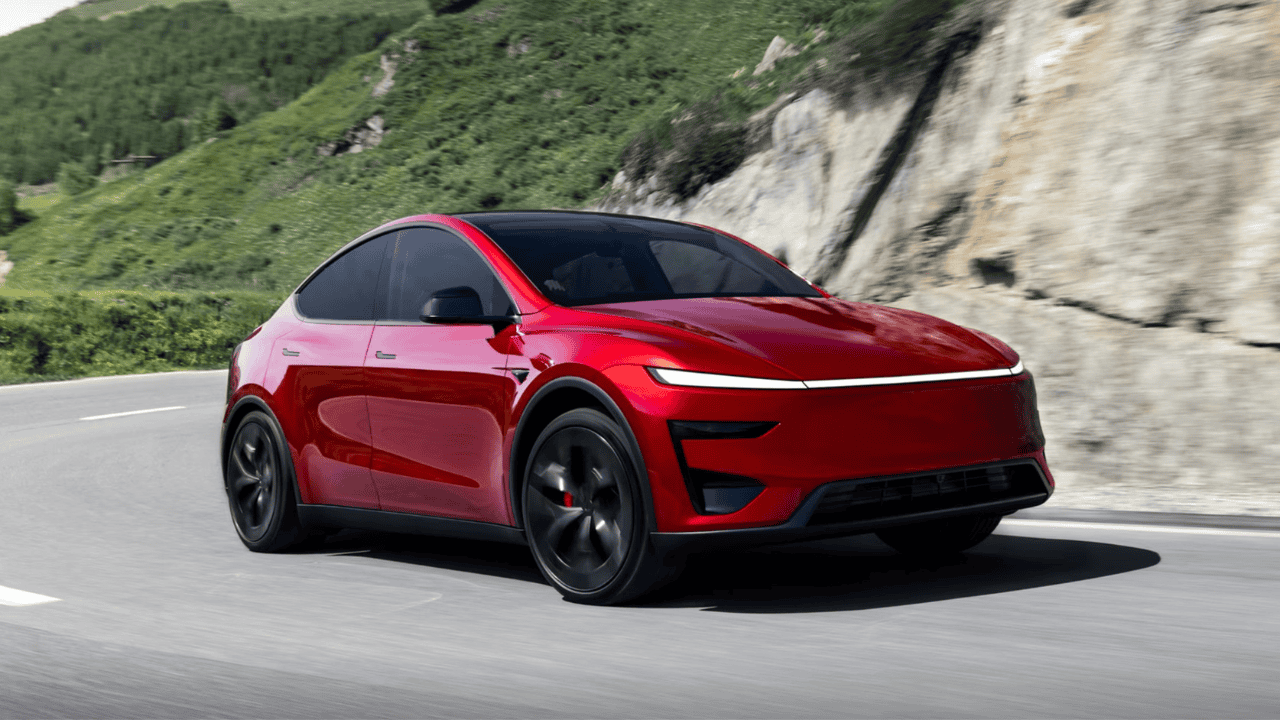
The decline is consistent with heightened domestic competition. Despite several rounds of financing incentives to boost demand, the Model Y — which ranges from 260,000 yuan (US$37,633) to 310,000 yuan (US$44,817) — struggled to maintain its momentum against lower-priced rivals.
BYD’s Seagull Falls Back
After ranking second among the best-selling EVs in 2024, the BYD Seagull dropped to fourth place in 2025. Sales plunged 31 per cent year over year to 307,000 units.

While Seagull’s pricing 69,800 yuan (US$10,103) to 85,800 yuan (US$12,419) is still generous and slightly below the upper limit for its class, it seems that competitive saturation in the entry-level segment has diluted this product more than before.
Policy Pressure and Pricing Strategy
China’s policymakers have warned automakers not to pursue aggressive discounting on several occasions, especially amid broader deflationary pressures. Rather than competing on price, manufacturers are being urged to reset their strategy — launching higher-specification models in more affordable price bands or deploying subsidised purchasing schemes with payment terms of up to 7 years.
The takeaway is — it won’t be markdowns nonstop, but rather innovation and institutionalized incentives that will shape the next chapter of China’s EV evolution.
As competition mounts, one truth becomes clear. In the world’s biggest EV market, affordability now reigns as the ultimate differentiator.
👉 Please 📩SUBSCRIBE to us for more real-world EV analysis, news, and deep dives — written for EV fans by EV fans.

Hey, I’m Badal! I’m super passionate about cars—especially electric ones. Whether it’s EVs, electric trucks, bikes, or anything with a battery and wheels, I’m all in. I love writing blogs and articles that break things down for fellow enthusiasts and curious readers alike. Hope you enjoy the ride as much as I do! Enjoyed reading? You can buy me a coffee on PayPal ☕ → paypal.me/BadalBanjare