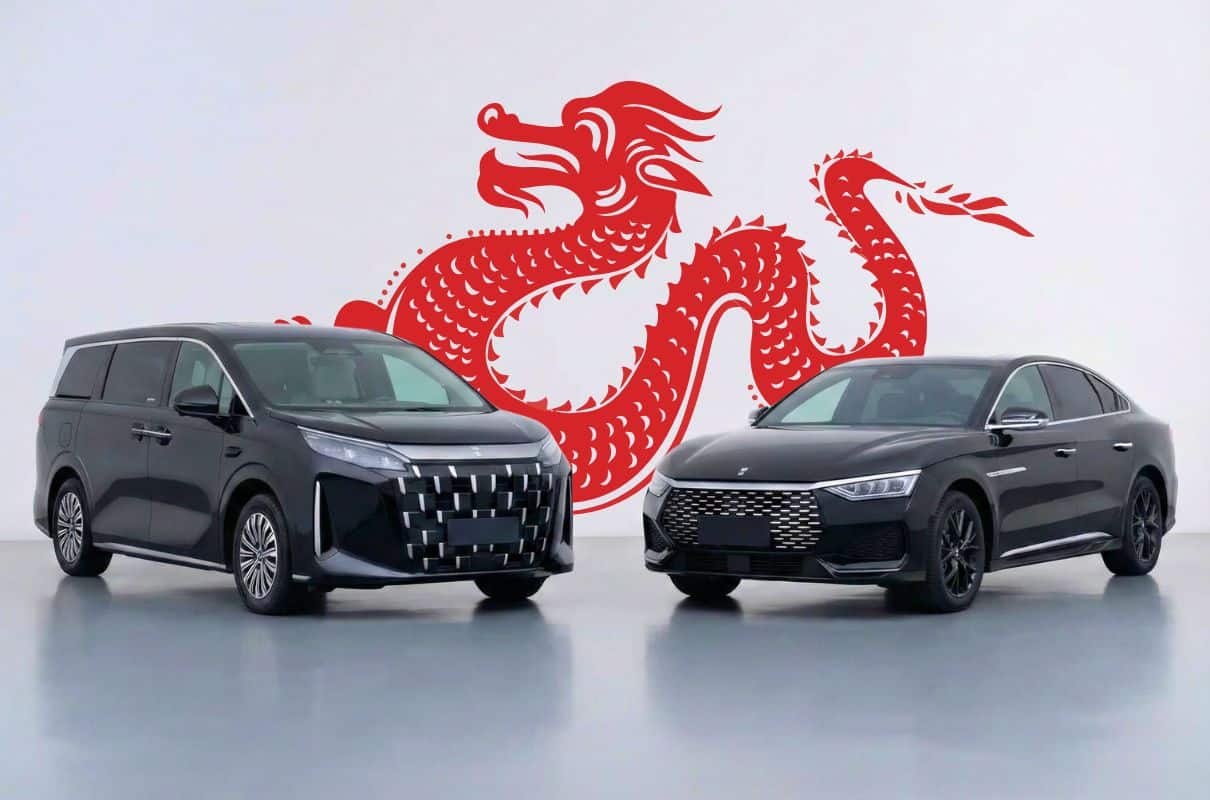

BYD has officially unveiled its new Linghui sub-brand, introducing a quartet of electrified vehicles designed not for showroom glamour, but for the relentless rhythm of taxis, ride-hailing fleets, and corporate transport. At the center of attention are two distinct products: the fully electric Linghui e9 sedan and the plug-in hybrid Linghui M9 MPV.
This isn’t about flash. It’s about fleet dominance.
A Sub-Brand Built for Commercial Precision
Linghui is BYD’s newest strategic offshoot, joining premium-focused Denza, ultra-luxury performance marque Yangwang, and adventure-oriented FangChengBao.
But Linghui occupies a different lane altogether.
Its mission is clear: provide high-value, technologically advanced, electrified vehicles engineered specifically for commercial operators. Taxi fleets. Ride-hailing drivers. Government procurement channels. Corporate mobility programs. Vehicles that must endure punishing daily mileage while keeping operating costs under control.
Rather than engineer entirely new platforms, BYD is leveraging its proven architectures and recalibrating them for fleet optimization — a pragmatic move that minimizes development risk while accelerating rollout speed.
Linghui e9: 375 Miles of Practical Electric Range
The Linghui e9 emerges as the sub-brand’s fully electric spearhead.
Built on the structural foundation of the BYD Han, the e9 measures 4,995 mm in length, 1,940 mm in width, and 1,495 mm in height, with a 2,920 mm wheelbase. The stance is unmistakably executive. Long, composed, and proportionally balanced.

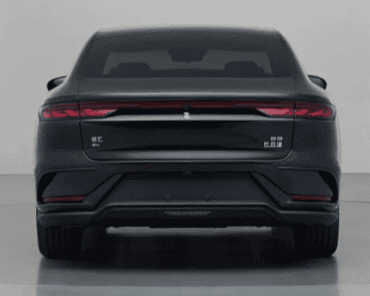
Underneath, buyers can choose between two front-mounted electric motor outputs:
- 135 kW (181 hp)
- 150 kW (201 hp)
Battery options include:
- 60.5 kWh
- 64.315 kWh
On China’s CLTC testing cycle, the larger battery claims up to 605 km (375 miles) of range. Even the smaller pack delivers a respectable 535 km (332 miles).
For private buyers, range is reassurance.
For fleet operators, it’s arithmetic.
Fewer charging stops mean more revenue-generating hours on the road. Over months and years, that efficiency compounds into tangible financial advantage.
BYD is also expected to integrate its DiLink connectivity system and DiSus intelligent body control architecture, ensuring the e9 doesn’t feel stripped-down or technologically dated despite its commercial positioning.
Linghui M9: A Plug-In Hybrid People Mover With Fleet Intent
While the e9 handles sedan duties, the Linghui M9 targets the high-demand MPV segment.
Derived from the BYD Xia DM-i, the M9 stretches to 5,200 mm in length with a generous 3,045 mm wheelbase. Width stands at 1,970 mm, height at 1,805 mm. Curb weight is listed at 2,470 kg — substantial, but expected for a three-row hybrid MPV engineered for durability.

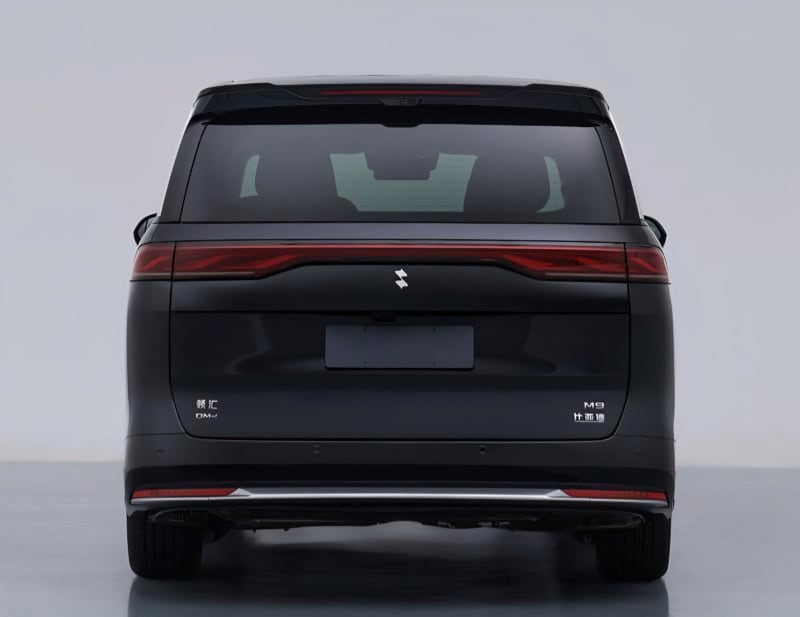
Power comes from a familiar BYD plug-in hybrid system:
- 1.5-liter turbocharged engine producing 115 kW
- Permanent magnet synchronous motor delivering 200 kW
Energy is stored in BYD’s Blade battery pack. While official capacity hasn’t been confirmed, its sibling uses a 20.39 kWh unit capable of roughly 100 km of electric-only range under CLTC standards. Real-world performance would likely trend slightly lower — still ample for urban taxi cycles.
The design closely mirrors its Xia roots. Chrome-accented grille elements differentiate the front fascia, while Chinese knot-inspired taillights carry over at the rear. Practical 235/60 R18 tires underline its road-focused mission.
Optional equipment includes:
- Single or dual sunroof configurations
- Rearview mirror-integrated cameras
- Additional rear camera systems
- Non-privacy glass options
Fleet managers can spec the vehicle based on operational priorities — passenger comfort, surveillance requirements, or cost control.
A Calculated Market Strategy
Linghui’s broader lineup also includes the e5 and e7 sedans, both pure electric models adapted from existing BYD platforms. The approach is systematic: proven engineering, optimized for commercial deployment.
China’s ride-hailing ecosystem is vast. Electrification within that sector isn’t just environmentally symbolic — it’s economically compelling. Lower fuel expenses. Reduced maintenance complexity. Policy incentives. Urban emissions compliance.
In that context, Linghui feels less like a side project and more like a precision instrument.
What About Global Markets?
For now, Linghui remains a China-focused endeavor. Markets such as Australia are more likely to see premium BYD offerings like the Denza D9 MPV rather than the fleet-oriented M9.
Still, the unveiling sends a broader signal.
The global EV conversation often centers on luxury performance, software innovation, or design spectacle. BYD, however, is quietly fortifying the commercial backbone of electrification — the vehicles that move thousands of passengers daily.
And in sheer volume, that battlefield may matter far more.
As BYD continues expanding its brand constellation, Linghui represents a disciplined, strategically targeted expansion. Not glamorous. Not headline-chasing. But potentially transformative in scale.
Fleet electrification is no longer experimental. It’s operational.
And BYD clearly intends to own that lane.
Source: CarNewsChina, BYD Linghui
👉 Please 📩SUBSCRIBE to us for more real-world EV analysis, news, and deep dives — written for EV fans by EV fans.

Hey, I’m Badal! I’m super passionate about cars—especially electric ones. Whether it’s EVs, electric trucks, bikes, or anything with a battery and wheels, I’m all in. I love writing blogs and articles that break things down for fellow enthusiasts and curious readers alike. Hope you enjoy the ride as much as I do! Enjoyed reading? You can buy me a coffee on PayPal ☕ → paypal.me/BadalBanjare