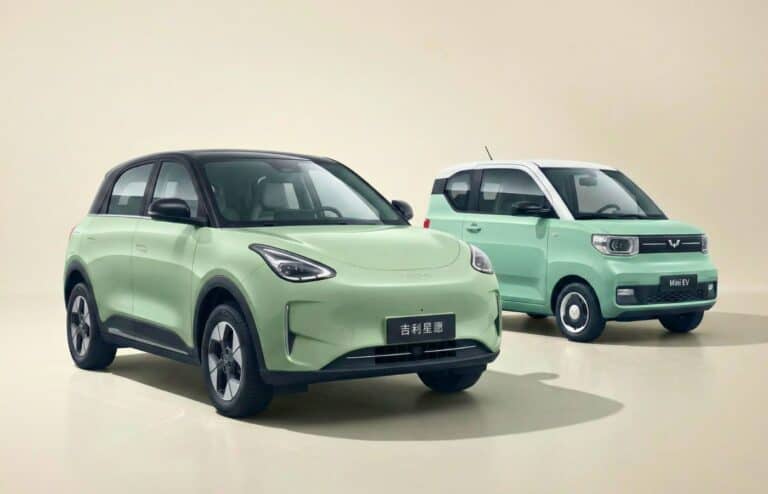
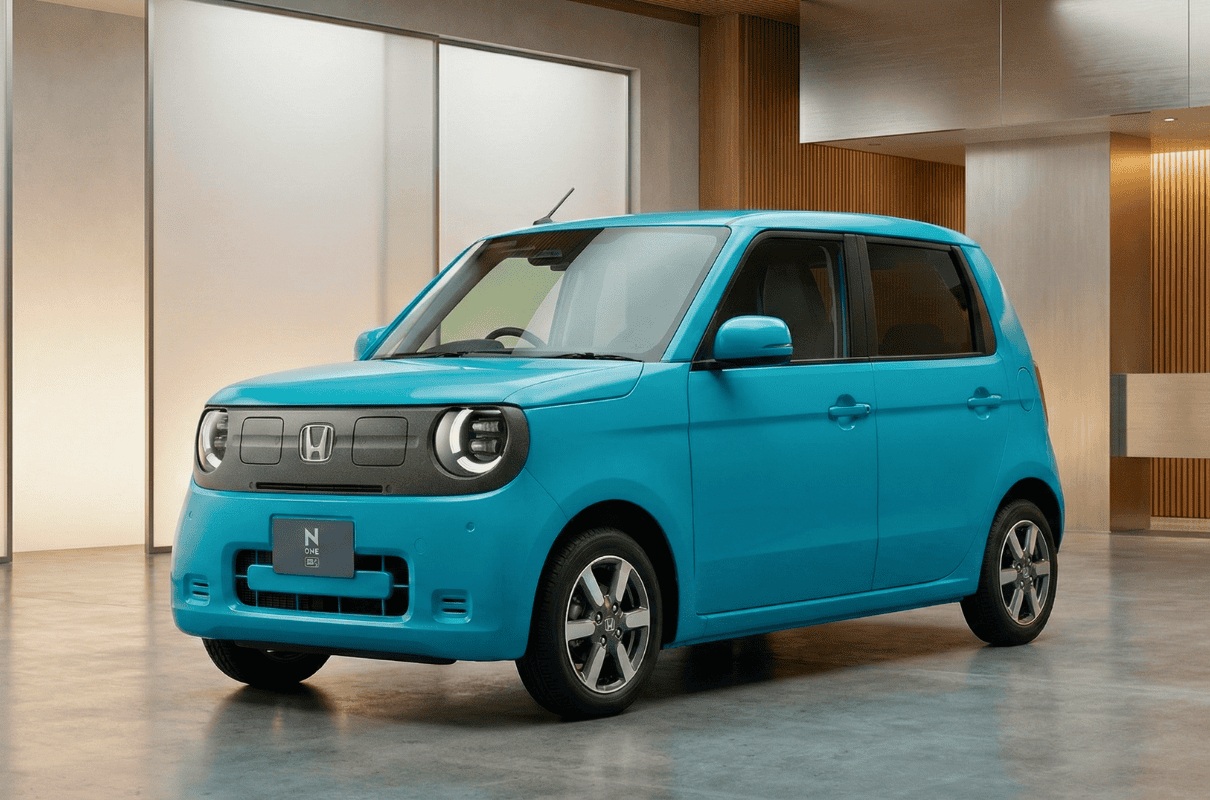

In a surprising twist to the ongoing debate over vehicle affordability, President Donald Trump has thrown his full support behind the idea of bringing Japanese-style micro cars — the famously compact “kei cars” — to American streets. The announcement follows his recent visit to Japan, where he was reportedly captivated by the petite, ultra-efficient vehicles zipping through busy city lanes.
Trump described them as “adorable, inexpensive, and amazing,” insisting that Americans deserve access to brand-new cars that don’t cost a fortune. “I have officially approved TINY CARS to be built in America,” he proclaimed on Truth Social, urging automakers to begin production “immediately.”
But while Trump’s enthusiasm is unmistakable, experts warn that the road to micro-car adoption in the U.S. may be far more complicated than it appears.
A Vision Built on Affordability — and Reality Checks
With new car prices averaging over $50,000, Trump has repeatedly emphasized his mission to bring affordable mobility back to everyday Americans. His administration has bundled the tiny-car push with broader plans to scale back federal fuel-efficiency standards — part of what he calls the “Freedom Means Affordable Cars” agenda.
Transportation Secretary Sean Duffy echoed the message, revealing that regulators are already exploring ways to remove barriers that currently prevent kei-style vehicles from being sold here. “If there’s a market, I want manufacturers to have the opportunity to build them,” Duffy said.
But he also injected a dose of realism. These miniature cars simply weren’t designed for America’s sprawling highways or its heavyweight SUVs. “Would they work on freeways? Probably not,” he admitted. “But for city driving, they could be a great solution.”
The Safety Problem No One Can Ignore
The harsh truth is that Japan’s micro cars were engineered for narrow, low-speed streets — not six-lane interstates filled with pickups and full-size SUVs.

A typical kei car is two feet shorter and one foot narrower than a Honda Fit. Many produce under 70 horsepower. And in a collision with a three-ton Cadillac Escalade, the physics are unforgiving.
To legally sell them in the U.S., automakers would need to redesign these vehicles from the ground up:
- Stronger, heavier frames
- Larger crumple zones
- U.S.-compliant airbags and safety hardware
- New lighting, bumpers, and impact systems
All of these upgrades would dramatically increase cost and weight, erasing the very benefits that make microcars appealing in the first place.
This same economic reality has already pushed GM, Ford, and others to abandon small-car manufacturing in the U.S. because the margins simply don’t make sense.
Could America Create a New Micro-Car Class?
Some industry observers have floated a potential workaround: a new federal category for miniature, low-speed vehicles — similar to street-legal golf carts that max out around 40 mph. In theory, Congress or NHTSA could create a regulatory safe zone that makes tiny cars viable for urban use.
But federal rulemaking is famously slow. And even if Washington acts, states may still need to amend their own vehicle codes before micro EVs or gas-powered minis can hit local roads.
For now, the only legal path to owning these pint-size machines is through the 25-year import exemption that treats them like classic collectibles.
Charm Isn’t Enough — Yet
There’s no doubt that Trump’s personal fascination has thrust tiny cars into the national spotlight. And his team insists this is about expanding consumer choice. “President Trump is committed to lowering costs and giving Americans more options,” said White House spokesman Kush Desai.
But despite the excitement — and despite the growing need for more affordable transportation — micro cars face enormous hurdles before they can be safely built, sold, or manufactured in the United States.
They’re charming. They’re efficient. And they’re undeniably fun.
But their future on American roads remains uncertain.
For now, Trump’s tiny-car dream is more of a bold vision than an imminent reality — a spark of possibility that will depend on regulators, automakers, and consumers to shape what comes next.
For more information about the Honda N-One e, please visit their official website.
👉 Please 📩SUBSCRIBE to us for more real-world EV analysis, news, and deep dives — written for EV fans by EV fans.

Hey, I’m Badal! I’m super passionate about cars—especially electric ones. Whether it’s EVs, electric trucks, bikes, or anything with a battery and wheels, I’m all in. I love writing blogs and articles that break things down for fellow enthusiasts and curious readers alike. Hope you enjoy the ride as much as I do! Enjoyed reading? You can buy me a coffee on PayPal ☕ → paypal.me/BadalBanjare