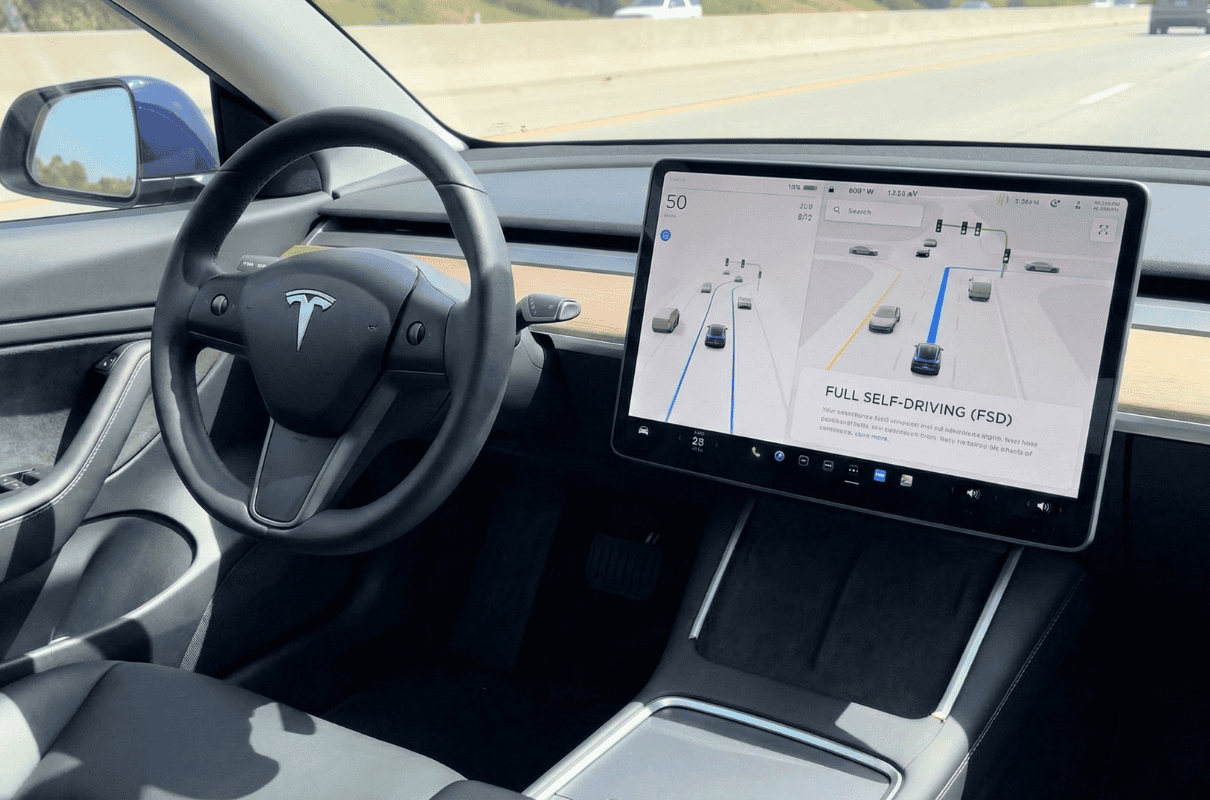

Tesla Solves Everything but the Price – With the rollout of access to its Full Self-Driving (FSD) software, Tesla is fundamentally changing how drivers gain hands-free driving. On February 14, the electric car manufacturer will cease to sell FSD as a perpetual purchase. Instead, the advanced driver-assistance system will only be offered via a monthly subscription, CEO Elon Musk said in a post on X.
The move is a clear departure from how Tesla has handled its most controversial software product. Until now, buyers could pay a lump sum — currently $8,000 in the U.S. — or subscribe for $99 a month. That option goes away after Valentine’s Day. FSD will be a subscription-only, recurring service, available month to month.
From Appreciating Asset to Subscription Service
For years, Musk sold FSD as something that crossed the line from mere software to an appreciating asset. Early adopters were sold on the notion that paying up front would deliver long-term value, with their vehicles one day turning into autonomous robotaxis. That story was used to justify prices that reached a peak of $15,000 in September 2022, up from an initial value of $5,000.

But what’s happened isn’t what was expected. The promised hands-off autonomy didn’t materialize, and Tesla’s pricing psychology changed. By 2023, the one-time FSD fee had dropped, and subscription fees had collapsed to $99 a month, so outright purchases were less enticing. The subscription-only approach is now more in line with what you’re actually getting for your money — a well-managed and sophisticated driver-assist experience.
Simplifying the Offer
With the subscription option, Tesla customers can use FSD without paying thousands of dollars upfront. Such an approach reduces the barrier to entry by enabling drivers to access during peak demand times, like holiday road trips or frequent travel over longer distances , without paying in excess for unguaranteed future use.
FSD itself is still a Level 2 driver-assistance suite that requires a driver to keep their hands on the wheel and remain alert. It is based on Tesla’s Autopilot, allowing lane changes, city navigation, and compliance with traffic signals. Still, it does not make the car fully autonomous. Tesla has been using unsupervised models in controlled environments, such as moving vehicles in its factory yard. Still, this functionality isn’t yet available to consumers.
Regulatory and Competitive Pressures
The timing also comes amid continued regulatory scrutiny. Last year, the U.S. National Highway Traffic Safety Administration opened an investigation into roughly 2.9 million Teslas equipped with FSD after crashes and safety issues were reported. Meanwhile, rivals are developing their own driver-assistance technologies. Rivian offers a platform for $50 per month or a one-time fee of $2,500, and automakers like Mercedes-Benz can utilize NVIDIA’s open-source frameworks. Far too often in China, rival EV makers package the same or similar features into vehicles for less money.
A Strategic Shift with Broader Implications
But this is much more than an adjustment in pricing — it’s a refashioning of expectations. By eliminating the one-time purchase, Tesla is sending a message: FSD is now a service, not an investment. The subscription business will allow the company to build a branded revenue stream, reduce customer burden, and align perceptions with reality: Drivers pay for what software can do today, not fanciful automated cars in the future.
The switch is also tied to Musk’s audacious 2025 CEO Performance Award. Part of the plan was to have 10 million active FSD subscriptions over the next decade, along with other ambitious targets such as building 20 million vehicles, deploying 1 million Tesla Bots, and reaching an $8.5 trillion market valuation. Success could send Musk into another financial stratosphere and solidify Tesla as the leader in electric vehicles and software.
In short, Tesla isn’t just asking consumers to buy software in a new way — it’s changing the entire promise of FSD, translating into more flexible access and lower up-front costs. For Musk and Tesla, it represents a strategic pivot that could remould both their revenue and long-term market positioning.
For more information about the Tesla FSD Subscription, please visit their official website.
👉 Please 📩SUBSCRIBE to us for more real-world EV analysis, news, and deep dives — written for EV fans by EV fans.

Hey, I’m Badal! I’m super passionate about cars—especially electric ones. Whether it’s EVs, electric trucks, bikes, or anything with a battery and wheels, I’m all in. I love writing blogs and articles that break things down for fellow enthusiasts and curious readers alike. Hope you enjoy the ride as much as I do! Enjoyed reading? You can buy me a coffee on PayPal ☕ → paypal.me/BadalBanjare