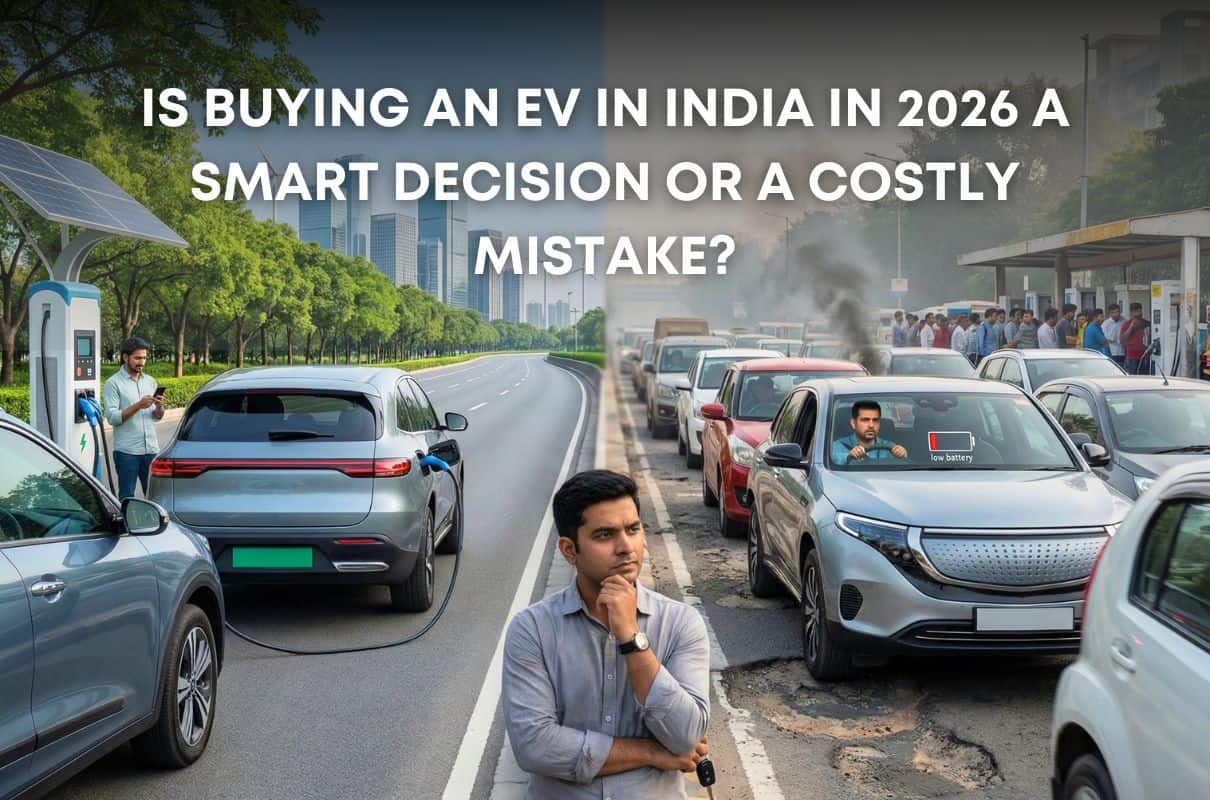

Electric vehicles in India are no longer a fringe experiment. By 2026, EVs will be parked in apartment basements, topping up at office complexes, and silently supplanting their petrol rivals on the morning commute. But the big question remains: is an EV purchase in India in 2026 a wise move or an expensive mistake waiting to happen?
The short answer is that it’s not a binary question. That answer depends on where you live, how you drive, and what you need your car to do. Let’s own up to it—get some honesty, some clarity.
The EV Landscape in India Has Changed—Fast
A few years back, EVs were restricted, expensive, and in the way. That story has shifted dramatically. India has a much wider range of electric cars and two-wheelers available across all price brackets than it did back in 2026. Now buyers don’t have to compromise when shopping for anything from a city EV to a premium electric SUV.
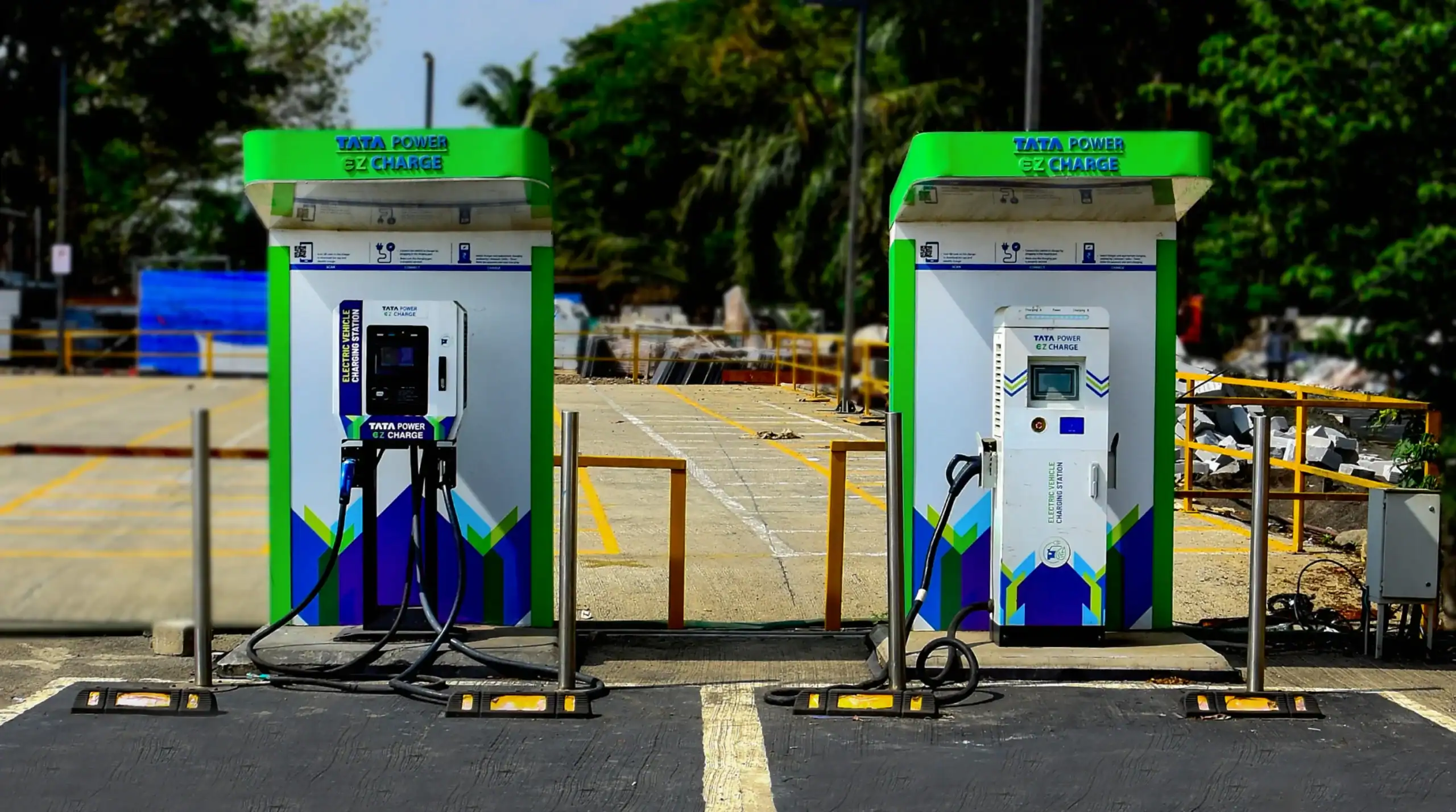
Charging infrastructure has also expanded. Public chargers are becoming a common sight on highways, in malls, tech parks, and fuel stations. While we’re not there yet, fears of running out of juice aren’t as limiting in metro areas as they once were.
The Real Cost of Owning an EV in 2026
EVs look prohibitively expensive at first glance. The headline cost tends to be higher than that of a comparable petrol or diesel car. But that’s not the whole story.
Running Costs Are Where EVs Win
The cost of electricity is a fraction of the cost of petrol. Charging an EV at home costs a fraction of what you would pay at the fuel pump. A year adds up very quickly in savings — especially if you use your car every day.
Maintenance is another quiet advantage. EVs have fewer moving parts. No engine oil. No clutch. No exhaust system. Less service and lower bills become the rule, not the exception.
The higher purchase cost evens out for many owners within a few years of use.
Government Policies Still Matter
India is still supportive of EV buyers in 2026, though incentives have become more sophisticated. Exemptions from road tax, reductions in registration fees, and other state-level benefits still reduce total ownership costs.
What’s changed is clarity. Policies are now more stable than in the early, heady years. That stability counts when you’re buying something for the long haul.
Charging: Convenient or Complicated?
The most debated issue about EVs is charging.
If you live in a detached home or in a society that permits private chargers, owning an EV feels breezy. Plug in overnight. Wake up to a “full tank.” Simple.

Apartment residents might experience more friction. Some housing societies are EV-friendly. Others are still catching up. Public fast chargers are helpful, but you need to plan ahead.
Charging access is improving quickly in metro areas. In smaller towns, it’s a work in progress. Where you live really matters.
Battery Life and Replacement Fears
Battery anxiety is real—and understandable. Batteries are costly components, and early EVs left buyers with reasons to be concerned.

By 2026, battery technology will have advanced further. Most brands offer long warranties, sometimes for 8 years or more. Real-world data shows that the loss of capacity is nowhere near as bad as many feared, especially with regular but moderate charging patterns.
The replacement costs are still high, but they are declining steadily as battery production in India ramps up.
Driving Experience: Quietly Better
This is the realm where EVs quietly capture hearts.
It also boasts instant torque, delivering a smooth, responsive city-driving experience. Traffic feels less tiring. No gear shifts. No engine noise. Just calm, controlled movement.

For urban commuters, EVs are a snugger fit. Long highway trips are getting better, too, though they do require more forethought than petrol-driven cars.
And once drivers have adopted the EV experience, returning frequently seems retro.
Resale Value: The One Big Question Mark
Resale value remains uncertain territory. The used EV market is growing, but we’re not yet fully predictable.
Prospective buyers fret about battery health, software updates, and new tech in upcoming cars. That can also affect resale prices in the short run.
But as EV adoption becomes more common and buyers become wiser, confidence in second-hand sales is creeping up. It’s a gamble — but a diminishing one.
Who Should Buy an EV in 2026?
An EV makes sense if:
- You mostly drive in the city
- You can charge at home or work
- You plan to keep the vehicle for several years
- You want lower running and maintenance costs
- You value a smooth, quiet driving experience
It may not be ideal if:
- You rely heavily on long, remote highway travel
- Charging access is unreliable where you live
- You frequently change cars every few years
Smart Decision or Costly Mistake?
In 2026, you’re not rolling the dice when you buy an EV in India; it’s a decision based on reason.
It’s a smart, future-ready choice for the right buyer that will save them money over time and also meet the reader’s strictures for modern urban living. For others, especially those whose charging access or potential usage remains uncertain, it might still feel too early.
The key is alignment. When your way of life aligns with the virtues of an EV, it doesn’t feel like a compromise at all. It feels like an upgrade.
And that’s why, as the number of EVs in India grows fast, the electric switch in 2026 isn’t just sensible—it’s inevitable.
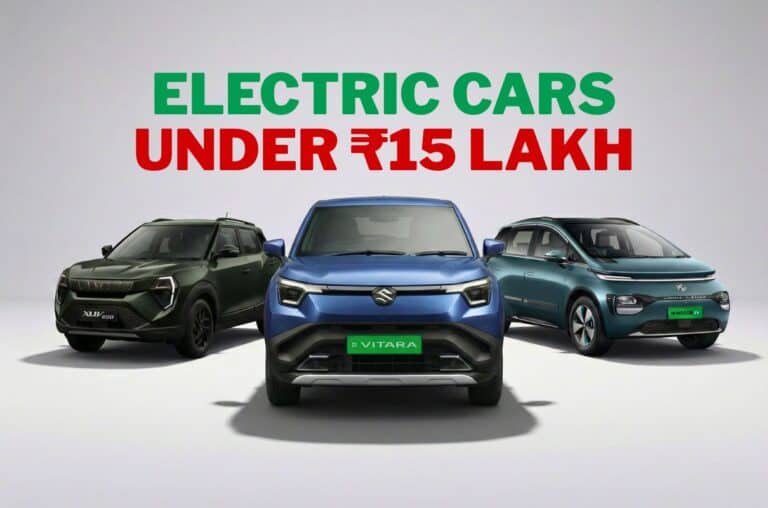
The most popular EVs in India are MG Windsor EV, Nexon EV, Punch EV and Mahindra BE6 EV.
👉 Please 📩SUBSCRIBE to us for more real-world EV analysis, news, and deep dives — written for EV fans by EV fans.

Hey, I’m Badal! I’m super passionate about cars—especially electric ones. Whether it’s EVs, electric trucks, bikes, or anything with a battery and wheels, I’m all in. I love writing blogs and articles that break things down for fellow enthusiasts and curious readers alike. Hope you enjoy the ride as much as I do! Enjoyed reading? You can buy me a coffee on PayPal ☕ → paypal.me/BadalBanjare