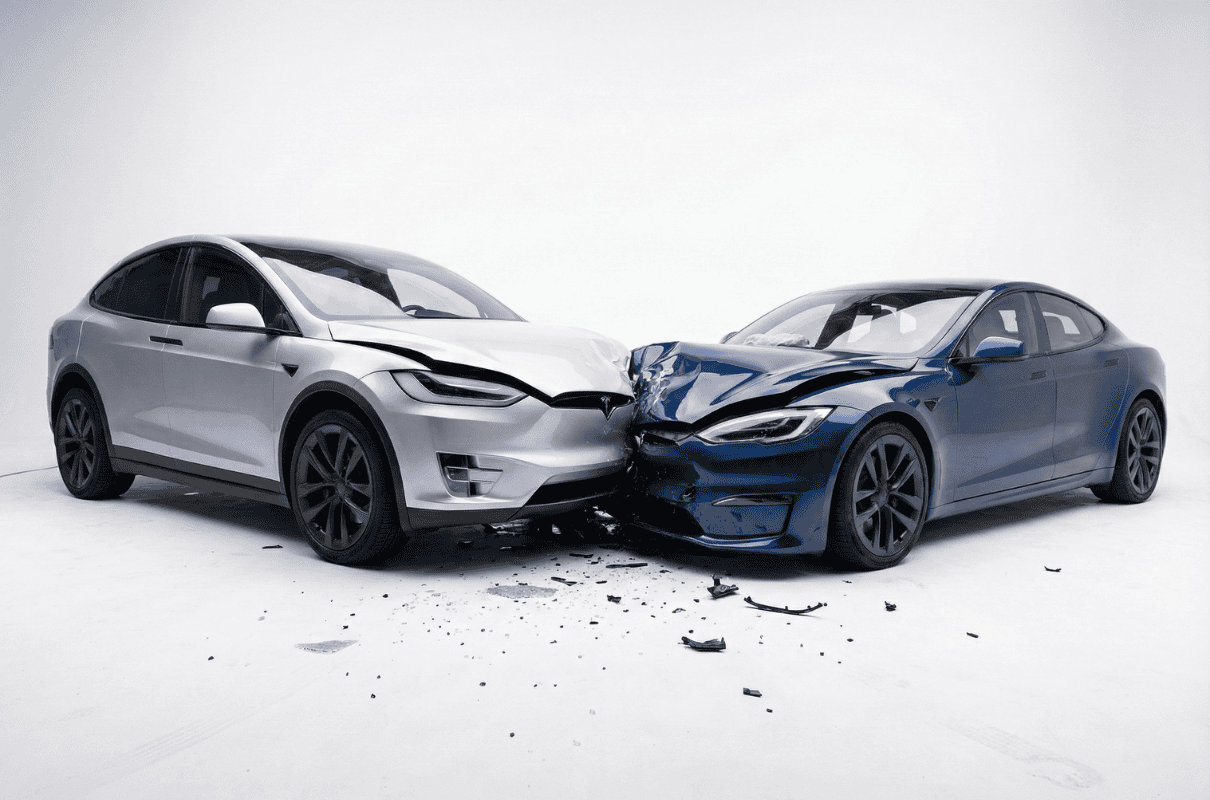

For more than a decade, Tesla was the company that made electric cars feel inevitable—and exciting. Now, it’s sending a very different message. During its latest earnings call, Tesla confirmed it will end production of the Model S and Model X, the two vehicles that defined its early rise, and retool its Fremont factory to build humanoid robots instead.
It’s not just a product decision. It’s a philosophical one.
In plain terms, Tesla is no longer behaving like a car company.
The End of an Era at Fremont
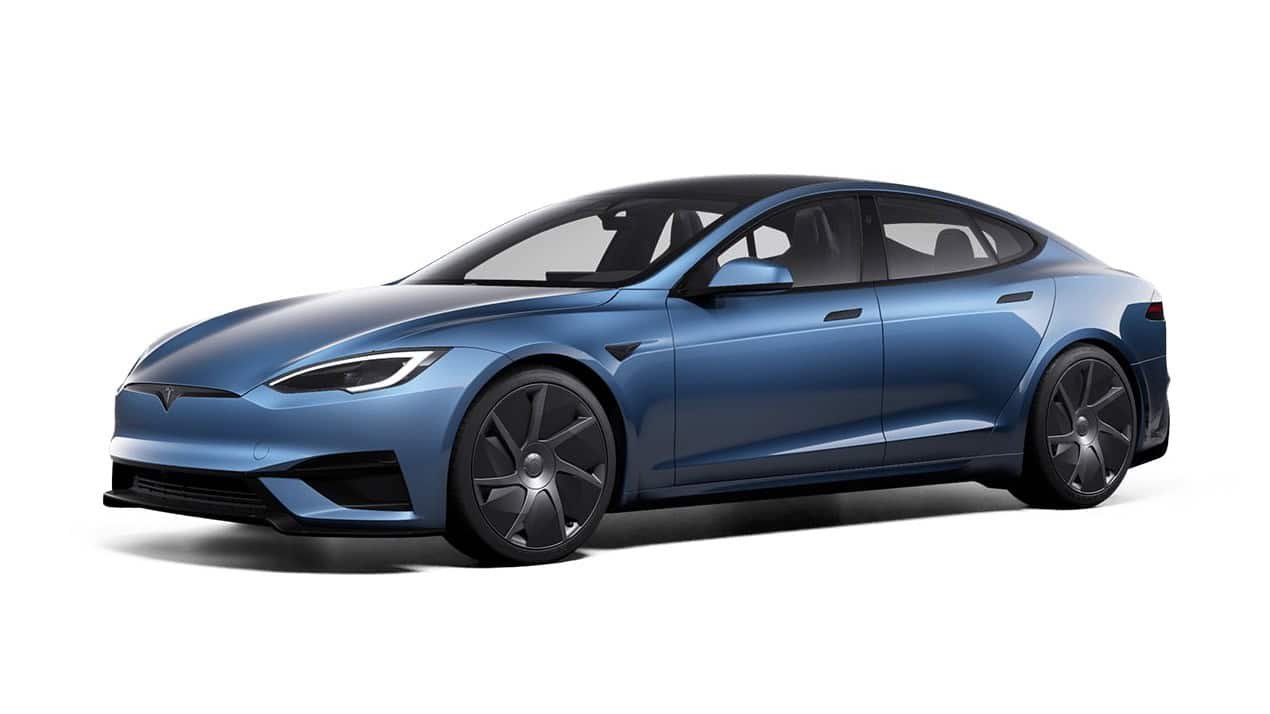
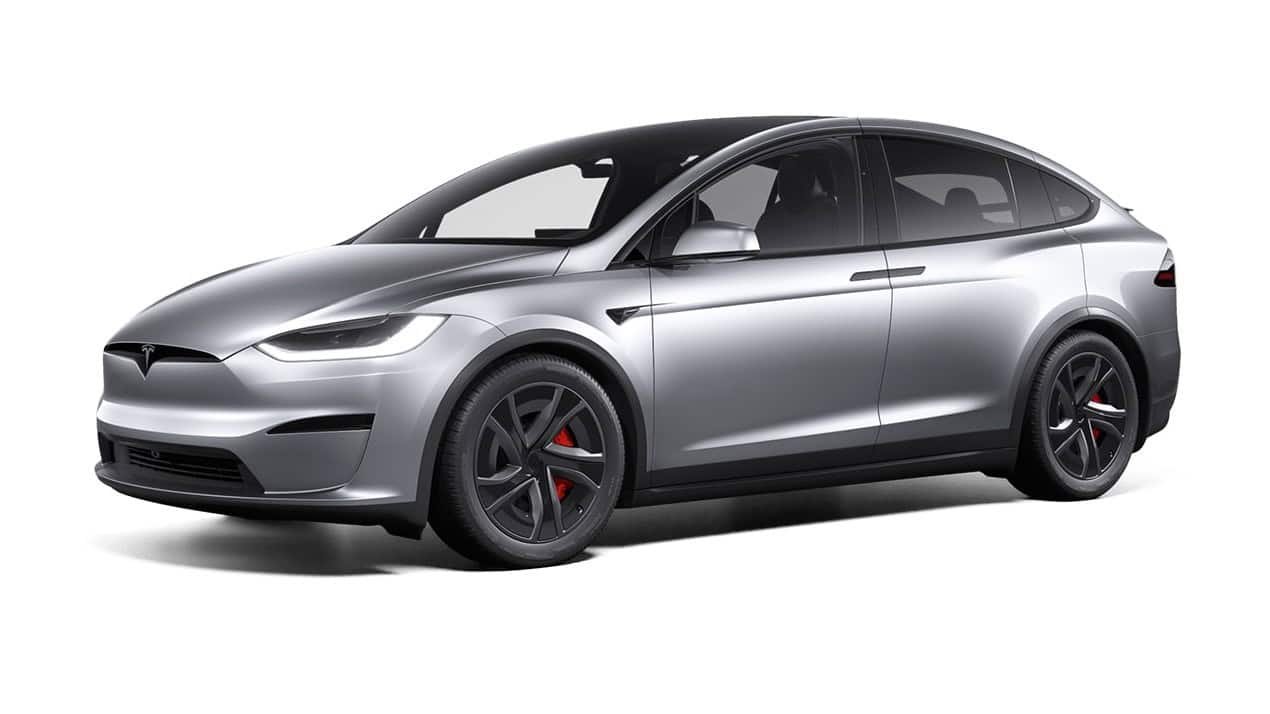
Elon Musk framed the move as a dignified farewell. The Model S sedan and Model X SUV, both among Tesla’s oldest production vehicles, will receive what he called an “honorable discharge.” Customers who still want one are being encouraged to order soon, before production winds down next quarter.
The Fremont, California plant—long associated with Tesla’s premium models—will not sit idle. Instead, it will be transformed into a manufacturing hub for Optimus, Tesla’s humanoid robot. Musk said the new Optimus line could eventually support output of up to one million units annually, with little overlap between vehicle and robot supply chains.
That shift, he added, will actually increase headcount at the factory.
Why Tesla Is Walking Away From Its Flagships
On paper, the decision isn’t shocking. The Model S launched in 2012, the Model X in 2015. In tech terms, that makes them ancient. Sales have dwindled as buyers gravitated toward cheaper, newer options, and Tesla repeatedly slashed prices to keep demand alive. Today, the Model S starts around $95,000, while the Model X sits near $100,000.
Meanwhile, Tesla’s entire automotive business has narrowed to two volume drivers: the Model 3 and Model Y. Together, they accounted for roughly 97% of the company’s 1.59 million vehicle deliveries last year. Even those models are showing signs of strain as competition intensifies and global EV growth cools.
Tesla closed 2025 with its first-ever annual decline in vehicle sales. Automotive revenue slid, margins compressed, and the company ceded its title as the world’s largest EV maker to BYD.
The traditional response would be reinvention through new vehicles—fresh segments, lower prices, or region-specific models. Tesla is choosing a different path.
From Automaker to “Transportation as a Service”
During the earnings call, Tesla executives made it clear that the company no longer wants to be evaluated primarily on car sales. Lars Moravy, Tesla’s head of vehicle engineering, urged analysts to think beyond vehicles as products and toward “transportation as a service.”
Musk took the idea further. In his long-term vision, human-driven cars will account for a tiny fraction of miles traveled—perhaps as little as 1%. The rest, he argues, will be handled by autonomous systems.
In other words, Tesla’s future vehicles are not meant to be owned. They’re meant to drive themselves.
That belief underpins Tesla’s growing fixation on robotaxis, the steering-wheel-free CyberCab, and the massive AI infrastructure required to train autonomous systems. It also explains why new mass-market cars—including the long-teased $25,000 Tesla—have quietly vanished from the roadmap.
Optimus Takes Center Stage
Optimus, the humanoid robot unveiled in prototype form in recent years, now sits at the center of Tesla’s strategy. The company plans to reveal a third-generation Optimus later this quarter, describing it as the first version designed for true mass production.
Tesla envisions Optimus as a general-purpose machine: capable of factory labor, logistics work, and eventually household assistance. Musk has floated everything from industrial tasks to childcare as potential use cases.
So far, however, Optimus has yet to demonstrate meaningful real-world deployment. Musk himself acknowledged that the robots are not currently performing productive factory work. Autonomy, too, remains unproven at scale, with Tesla’s robotaxi efforts limited to small pilot programs.
Yet Tesla is pouring money into the bet. Capital expenditures are set to surge, with much of that spending directed toward robotics, autonomy, and AI training infrastructure rather than new vehicle platforms.
The Irony of the Model S Goodbye
The retirement of the Model S carries symbolic weight. When it arrived, electric cars were still widely dismissed as compromised novelties. The Model S changed that overnight. It matched—and often beat—luxury gasoline sedans on performance, comfort, and technology, while introducing software updates that redefined what car ownership could be.
Autopilot, the foundation of Tesla’s autonomy ambitions, debuted on the Model S. The same perception systems that guide Tesla’s self-driving software now underpin Optimus.
In many ways, Tesla’s robotics vision exists because the Model S succeeded.
And yet, by shutting it down, Tesla is stepping away from the very market it once forced the world to take seriously.
A High-Stakes Reinvention
Tesla is not failing as an automaker. It is choosing to move on.
The company that once reshaped the auto industry is now attempting something even more audacious: reinventing itself as an artificial intelligence and robotics powerhouse. Investors have largely endorsed that vision, even as vehicle revenues shrink and competition closes in.
Whether this pivot proves visionary or reckless remains an open question. Autonomous vehicles and humanoid robots promise enormous upside—but they also face regulatory, technical, and social hurdles that electric cars never did.
What is clear is this: with the Model S and Model X headed for the history books, Tesla is closing one of the most influential chapters in modern automotive history and wagering its future on a far more uncertain frontier.
For more information about the Tesla Model S & Model X, please visit their official website.
👉 Please 📩SUBSCRIBE to us for more real-world EV analysis, news, and deep dives — written for EV fans by EV fans.
Hey, I’m Badal! I’m super passionate about cars—especially electric ones. Whether it’s EVs, electric trucks, bikes, or anything with a battery and wheels, I’m all in. I love writing blogs and articles that break things down for fellow enthusiasts and curious readers alike. Hope you enjoy the ride as much as I do! Enjoyed reading? You can buy me a coffee on PayPal ☕ → paypal.me/BadalBanjare